


What's Happening?
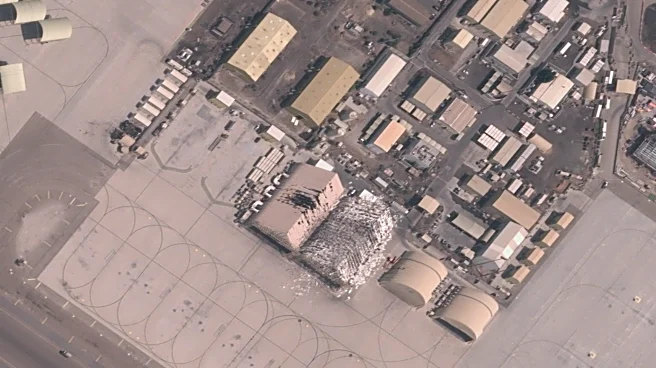
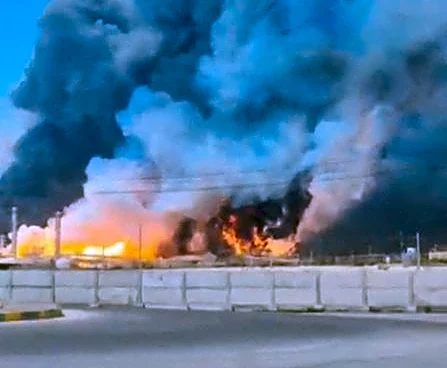
Oil prices have surged by 3% following Iran's attacks on several energy facilities across the Middle East. This escalation comes after a strike on Iran's South Pars gas field, a significant development in the ongoing conflict involving the U.S. and Israel.
Brent crude futures rose to $111.07, while U.S. West Texas Intermediate crude increased to $98.61. The attacks have caused extensive damage to energy hubs in Qatar and the UAE, with Saudi Arabia intercepting multiple missile attacks. The situation has heightened tensions in the region, affecting global oil markets and energy security.
Why It's Important?
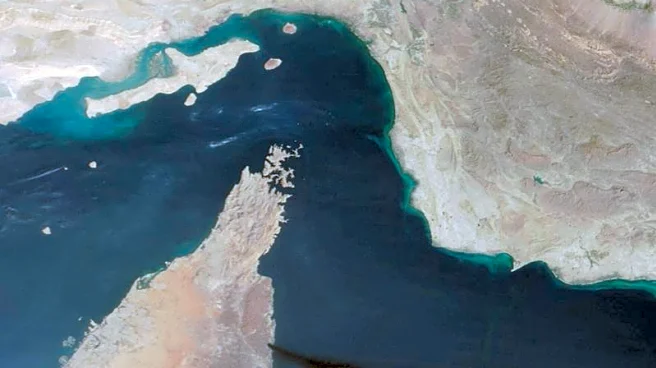
The rise in oil prices reflects the market's sensitivity to geopolitical tensions, particularly in the Middle East, a critical region for global energy supply. The disruption of energy facilities can lead to increased costs for consumers and businesses worldwide, impacting economic stability. The conflict also poses risks to the security of the Strait of Hormuz, a vital passage for oil transportation. The U.S. and its allies may need to consider strategic responses to ensure the safe passage of oil tankers, which could involve military deployments.
What's Next?
The U.S. administration is reportedly considering deploying additional troops to the Middle East to secure the Strait of Hormuz and protect oil shipments. This move could further escalate tensions with Iran. The international community will likely monitor the situation closely, with potential diplomatic efforts to de-escalate the conflict. Energy markets will remain volatile, with prices potentially fluctuating based on developments in the region.