


What's Happening?
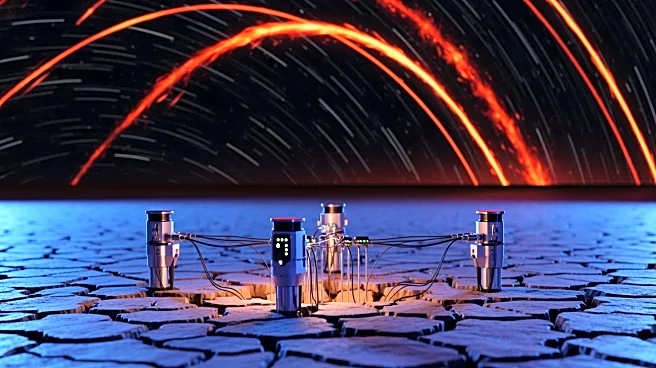
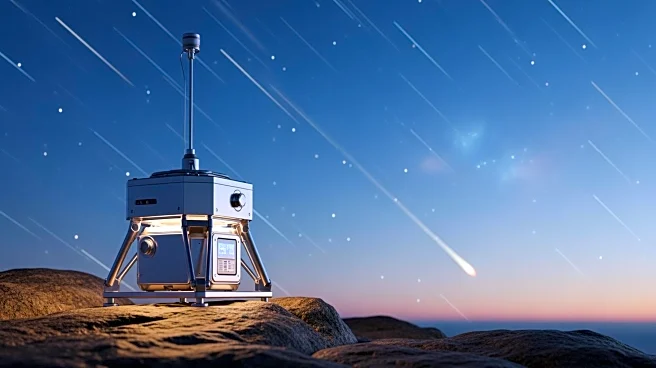
Researchers have developed a method to track space debris re-entering Earth's atmosphere using seismometers, traditionally used for detecting earthquakes. This innovative approach, led by Benjamin Fernando from Johns Hopkins University, allows for real-time
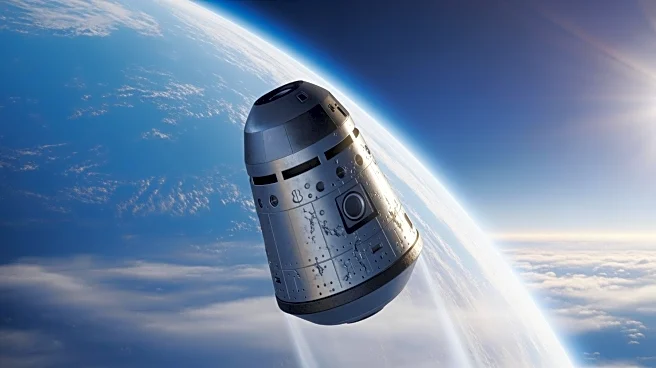
tracking of debris, which can pose risks to human safety if it reaches the ground. The method was successfully tested on debris from China's Shenzhou-15 spacecraft, which entered the atmosphere at high speeds, creating shockwaves detectable by seismometers. This tracking provides precise data on the debris' trajectory, speed, and potential landing sites, improving upon previous methods that relied solely on radar data.
Why It's Important?
The ability to accurately track space debris is crucial as the frequency of re-entries increases, with multiple satellites entering the atmosphere daily. This method enhances safety by allowing authorities to quickly locate and manage debris, some of which may contain toxic materials. The approach also aids in environmental protection by tracking potentially harmful particulates released during re-entry. As space activity grows, this technology could become vital for managing the increasing amount of space junk and mitigating its risks to both people and the environment.
What's Next?
The implementation of this tracking method could lead to more comprehensive monitoring systems for space debris, potentially integrating with existing radar systems for enhanced accuracy. As the technology develops, it may prompt regulatory changes in space debris management and influence international policies on space safety. Researchers may also explore further applications of seismometer data in space exploration and monitoring.