





What's Happening?
Amidst growing concerns over potential utility disruptions, urban residents, particularly those in flats or city homes without gardens or natural water sources, are being advised to prepare for water outages. Current UK government guidance recommends
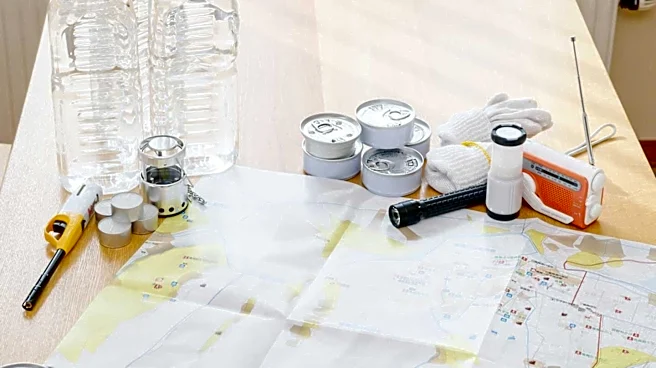
a minimum three-day supply of drinking water, equating to 3 liters per person per day. This guidance emphasizes the need for additional water for food preparation, hygiene, pets, and medical needs. Residents are encouraged to gradually build their water supply, utilizing commercially bottled water or self-bottled water in clean, sanitized containers, replacing the latter every six months. The advice also includes keeping empty, food-grade collapsible containers ready for potential warnings or official distribution points, and considering filling bathtubs for non-drinking purposes like toilet flushing if advance notice is given and the water supply is safe. Furthermore, the guidance addresses the impact of electricity failures on water supply, noting that power cuts can affect treatment and pumping, potentially leading to reduced water pressure.
Why It's Important?
The proactive measures for water outage preparedness are crucial for urban populations, as disruptions to essential services can have significant public health and safety implications. A reliable water supply is fundamental for drinking, sanitation, and food preparation, and its absence can quickly lead to health crises, especially in densely populated areas. The emphasis on storing water and having contingency plans highlights the vulnerability of modern infrastructure to various events, including power outages, natural disasters, or infrastructure failures. For individuals, preparedness can mitigate immediate health risks and reduce reliance on emergency services, allowing them to prioritize critical cases. For communities, widespread preparedness can lessen the burden on public resources during a crisis, ensuring a more resilient response. The guidance also underscores the importance of understanding local water supplier updates and instructions, which are vital for informed decision-making during an outage.
What's Next?
In the event of a water outage, residents are advised to immediately check for updates from their water supplier regarding water quality and conservation instructions. If the water is confirmed safe and still running, the priority should be to fill clean drinking-water containers. Essential hygiene, drinking, and food preparation should be prioritized. Flat dwellers are specifically advised to inquire with their building management about electrically powered booster pumps, backup arrangements, and contact information in case of failure. Beyond immediate actions, the guidance suggests reducing water needs by having ready-to-eat food, hand sanitizers, baby wipes, and disposable plates. Residents should also have a replacement-water plan, including knowing their supplier's contact details and the locations of official distribution points. Registering for Priority Services beforehand is recommended for those needing extra assistance, as arrangements can take time.
Beyond the Headlines
The focus on individual preparedness for water outages in urban settings points to a broader societal shift towards greater self-reliance and resilience in the face of potential disruptions. This extends beyond immediate practicalities to ethical considerations regarding community support and equitable access to resources during crises. While individual storage is vital, the guidance implicitly highlights the need for robust public infrastructure and clear communication channels from utility providers. The mention of purifiers, while useful for alternative sources, also subtly underscores the importance of not relying solely on them for urban water, as not all contaminated water can be made safe. This comprehensive approach to preparedness reflects a growing awareness of the interconnectedness of urban systems and the potential cascading effects of infrastructure failures, prompting a re-evaluation of urban planning and emergency response strategies to ensure long-term sustainability and public well-being.