








What's Happening?
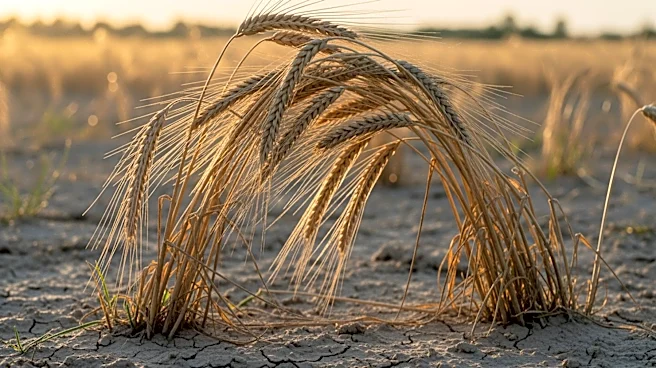
A report by Oxford Economics warns that Europe is likely to experience the most significant food price increases among G7 nations due to climate change. The study highlights that extreme weather events, such as heat waves and natural disasters, are expected
to cause more frequent harvest failures and supply chain disruptions. These events could lead to a 1.6 percentage point annual increase in food prices in the euro area, impacting headline inflation by up to 0.6 percentage points. The report notes that Europe is particularly vulnerable to global market fluctuations, with recent climate events already causing significant price spikes in commodities like coffee and cocoa.
Why It's Important?
The potential rise in food prices poses a significant challenge for European economies, as it could exacerbate inflationary pressures and strain household budgets. Central banks may face increased pressure to address inflation, complicating monetary policy decisions. The report underscores the broader economic risks associated with climate change, highlighting the need for comprehensive strategies to mitigate its impact on food security. The findings also emphasize the importance of international cooperation in addressing climate-related challenges and ensuring stable food supplies.
What's Next?
As climate change continues to impact global food production, European policymakers may need to implement measures to enhance food security and resilience. This could include investing in sustainable agricultural practices, improving supply chain infrastructure, and developing strategies to manage price volatility. Additionally, the report suggests that central banks should incorporate climate risk assessments into their economic forecasts and policy frameworks. The ongoing dialogue around climate change and its economic implications is likely to intensify, with a focus on developing adaptive strategies to protect vulnerable sectors.