








What's Happening?
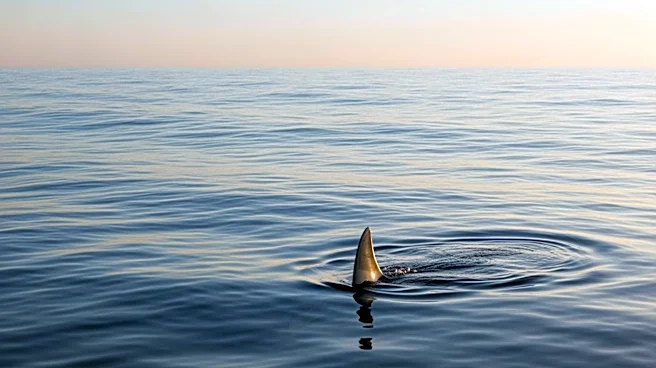
A recent shark attack on a young mother at Coogee Beach in Sydney has reignited the debate over shark culling as a safety measure. Leah Stewart, 35, was bitten by a shark believed to be a great white while swimming offshore. In response, there have been
calls for a shark cull, with Federal Liberal Party president Tony Abbott advocating for it, citing an increase in shark numbers and attacks. However, the effectiveness of culling is disputed. Some studies suggest it reduces human-shark interactions, while others show no change in bite rates after large culling programs. The number of sharks needed to significantly impact bite risk is unknown, and past programs, like Hawaii's in the 1960s and 1970s, saw thousands of sharks killed without reducing bite incidents.
Why It's Important?
The debate over shark culling is significant as it touches on public safety, environmental ethics, and marine conservation. While culling might theoretically reduce shark attacks, it poses ethical concerns and potential ecological impacts. The indiscriminate killing of sharks could disrupt marine ecosystems and harm non-target species. Moreover, the lack of evidence supporting culling's effectiveness raises questions about its justification. Alternative measures, such as drone surveillance and SMART drumlines, offer non-lethal ways to mitigate shark bite risks. These methods are not only more humane but also align with public preference for sustainable solutions. The outcome of this debate could influence future policies on marine wildlife management and public safety strategies.
What's Next?
The discussion on shark culling is likely to continue, with stakeholders weighing the pros and cons of various safety measures. Governments may consider investing more in non-lethal technologies like drones and SMART drumlines, which have shown promise in reducing shark bite risks. Public opinion and scientific research will play crucial roles in shaping policy decisions. Additionally, there may be increased emphasis on public education about shark safety and the use of personal deterrents. As shark populations recover, balancing human safety with ecological preservation will remain a critical challenge for policymakers.
Beyond the Headlines
The shark culling debate highlights broader issues of human-wildlife conflict and the need for sustainable coexistence strategies. It raises ethical questions about prioritizing human safety over wildlife conservation and the moral implications of killing animals perceived as threats. The situation also underscores the importance of evidence-based policy-making, where decisions are guided by scientific research rather than fear or political pressure. Long-term, this debate could influence global approaches to managing interactions between humans and potentially dangerous wildlife, promoting a shift towards more humane and effective solutions.