






What's Happening?
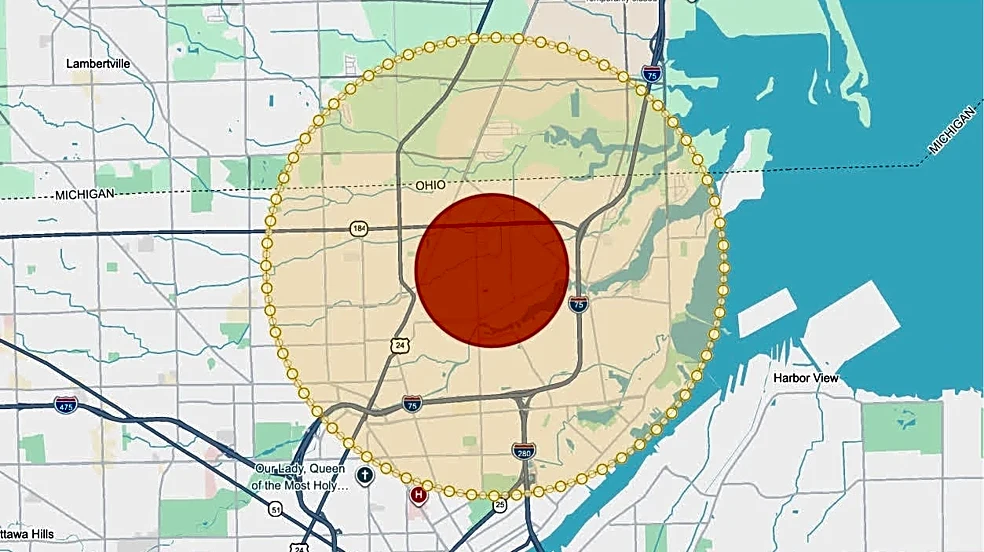
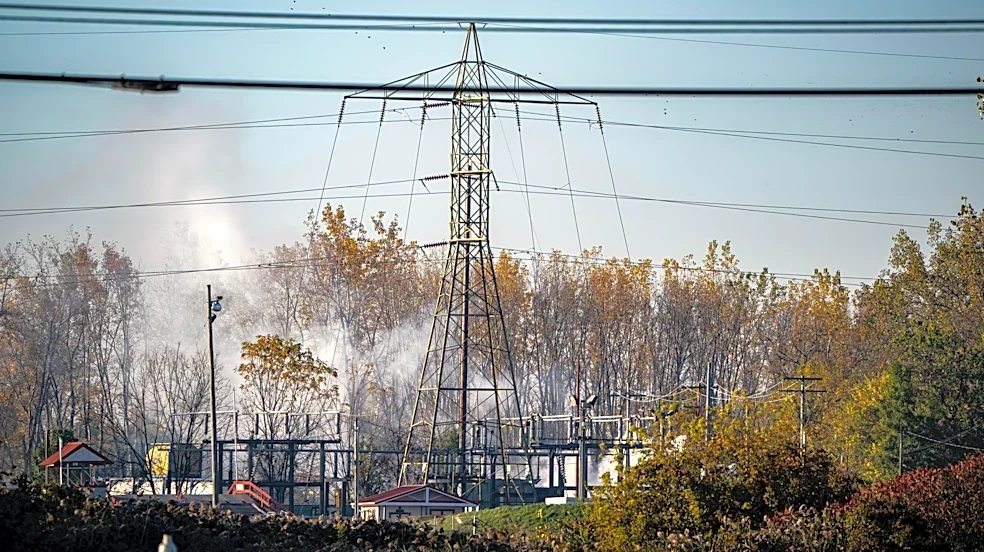
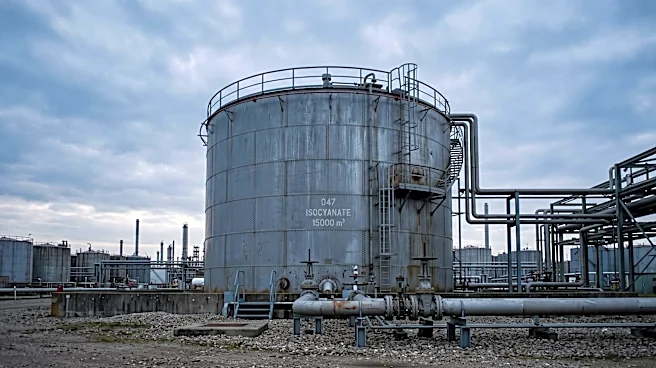
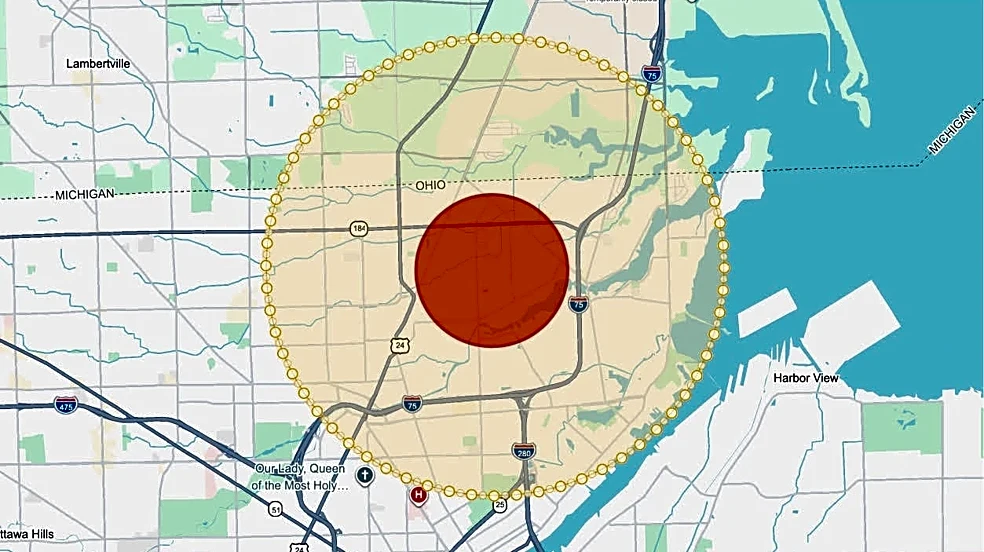
Authorities in Toledo, Ohio, have reduced the evacuation zone around a chemical tank that ruptured earlier in the week, releasing a white plume into the air. Toledo Fire & Rescue decreased the evacuation radius from a half-mile to a quarter-mile around the MC
Tank Terminal site. While residents and businesses within the new, smaller zone must remain evacuated, those outside it are permitted to return. A shelter-in-place order for the broader area was lifted on Wednesday evening. The ruptured tank contained glycidyl methacrylate, an industrial chemical used in plastics, paints, and coatings. City leaders opted to allow the chemical to vent naturally, deeming it safer than attempting to stop the leak directly. As of Thursday, the tank was still releasing material, but at a significantly slower rate, and its temperature continued to drop, reducing the risk of explosion. Crews are preparing to enter the site with the aim of transitioning control back to the owner for cleanup.
Why It's Important?
This incident highlights the inherent risks associated with industrial chemical storage and transportation, even in developed urban areas. The initial evacuation and ongoing safety measures underscore the potential for chemical leaks to pose immediate threats to public health and safety, disrupting daily life and local commerce. For the U.S., such events emphasize the critical need for robust industrial safety regulations, emergency response protocols, and transparent communication with affected communities. The decision to allow the chemical to vent, rather than intervene directly, illustrates the complex risk assessments emergency services must undertake to prevent more catastrophic outcomes. The incident also brings attention to the chemicals used in everyday products, reminding the public of the industrial processes behind them and the potential hazards involved.
What's Next?
The immediate next step is for emergency crews to enter the MC Tank Terminal site, with the goal of transitioning control back to the owner for cleanup operations. The evacuation order for the quarter-mile radius will remain in effect until the explosion risk has completely passed. Authorities will continue to monitor the tank's condition and the surrounding environment to ensure public safety. The incident will likely trigger investigations into the cause of the rupture, potentially leading to reviews of safety procedures at the facility and broader industry standards for chemical storage. Depending on the findings, there could be regulatory implications or recommendations for improved infrastructure and emergency preparedness in similar industrial settings across the country.
Beyond the Headlines
Beyond the immediate safety concerns, this incident raises broader questions about urban planning and the proximity of residential areas to industrial chemical facilities. It prompts a discussion on the adequacy of current safety regulations and enforcement mechanisms for hazardous materials. The long-term environmental impact of the glycidyl methacrylate release, even if contained, will need to be assessed. Furthermore, the event underscores the importance of community preparedness and public awareness regarding potential industrial hazards in their vicinity. It serves as a reminder that while industrial chemicals are integral to modern manufacturing, their storage and handling require continuous vigilance and robust safety measures to prevent accidents and protect surrounding populations. The incident could also influence public perception of industrial operations and lead to increased calls for stricter oversight.