








What's Happening?
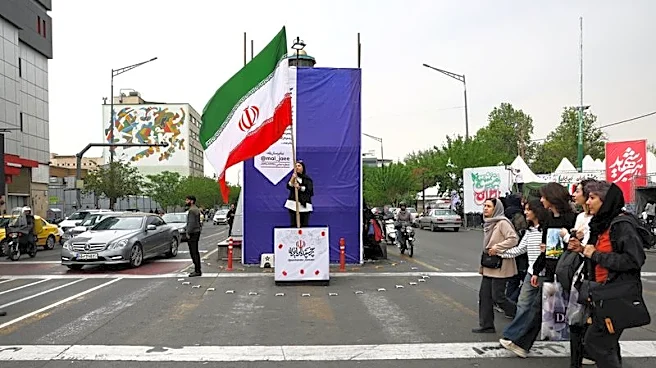
President Trump has announced an indefinite extension of the ceasefire with Iran, following a request from Pakistan's Prime Minister Shehbaz Sharif. The extension aims to allow more time for diplomatic negotiations, as tensions remain high due to the U.S.
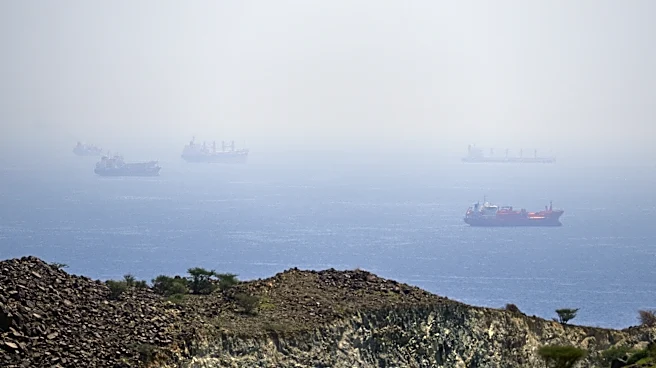
blockade of Iranian ports and Iran's seizure of cargo ships in the Strait of Hormuz. The ceasefire extension comes as both countries have warned of the potential resumption of hostilities if a diplomatic solution is not reached. Iran has yet to respond to the ceasefire extension, and the status of future negotiations remains uncertain.
Why It's Important?
The extension of the ceasefire provides a critical opportunity for diplomatic efforts to de-escalate tensions between the U.S. and Iran. The ongoing conflict has significant implications for regional stability and global energy markets, with the potential to disrupt oil supplies and increase prices. The ceasefire extension reflects the importance of diplomatic engagement in resolving complex geopolitical issues and preventing further escalation. The situation also highlights the role of third-party countries, like Pakistan, in facilitating dialogue and promoting peace.
What's Next?
The indefinite ceasefire extension opens the door for continued diplomatic efforts to resolve the conflict. However, the lack of a clear response from Iran and the ongoing U.S. blockade of Iranian ports suggest that challenges remain. The international community may increase pressure on both parties to engage in constructive dialogue and reach a comprehensive agreement. The potential for further escalation remains, with significant implications for regional stability and global energy security.
Beyond the Headlines
The ceasefire extension underscores the complexities of international diplomacy and the challenges of balancing national security interests with global economic stability. The situation highlights the importance of multilateral engagement and the role of third-party countries in facilitating dialogue. The ongoing tensions may influence future diplomatic and military strategies, as countries seek to protect their interests and maintain access to critical resources.