





What's Happening?
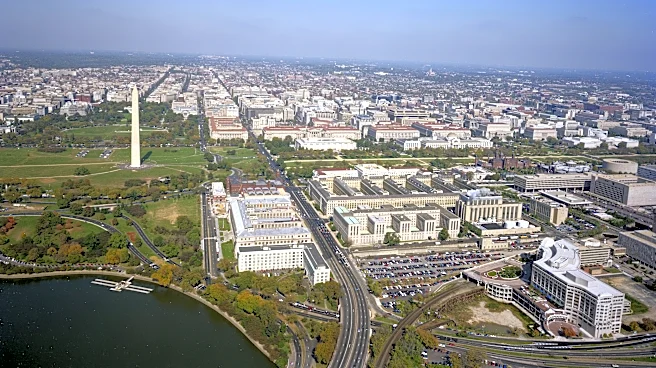
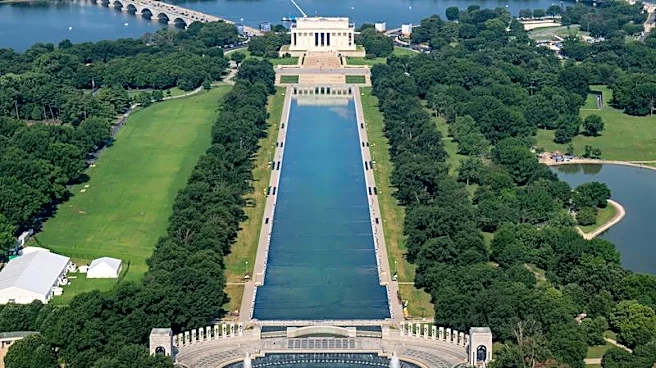
The Great American State Fair, organized to celebrate the nation's 250th anniversary, was held at the National Mall in Washington, DC. The event, spearheaded by President Trump, aimed to showcase the unique attributes of each U.S. state. However, several
states, particularly those with left-leaning political affiliations, presented minimal or lackluster exhibits, reportedly in protest of the event's perceived politicization. Notable examples include Washington and Oregon, which had sparse displays with just a couple of chairs, and Connecticut, which had an empty booth. Despite the opportunity to boost tourism, these states chose to make a political statement, leading to criticism from attendees and other state representatives.
Why It's Important?
The event highlights the ongoing political divide in the United States, where even cultural and celebratory events are subject to partisan interpretations. The decision by some states to underrepresent themselves at the fair underscores the tension between state and federal politics, particularly under President Trump's administration. This situation could have implications for state tourism and economic opportunities, as the fair was intended to promote state-specific attractions and industries. The lack of participation may also reflect broader dissatisfaction with federal policies and leadership, potentially influencing future political and economic collaborations.
What's Next?
The response from states that chose minimal participation could lead to further discussions about the role of politics in national celebrations. There may be calls for more inclusive and less politicized events in the future, aiming to bridge the divide between states and the federal government. Additionally, states that participated minimally might face pressure from local businesses and tourism boards to engage more fully in future events to capitalize on economic opportunities. The fair's outcome could also influence how future national events are organized, potentially leading to changes in how states are encouraged to participate.