




What's Happening?
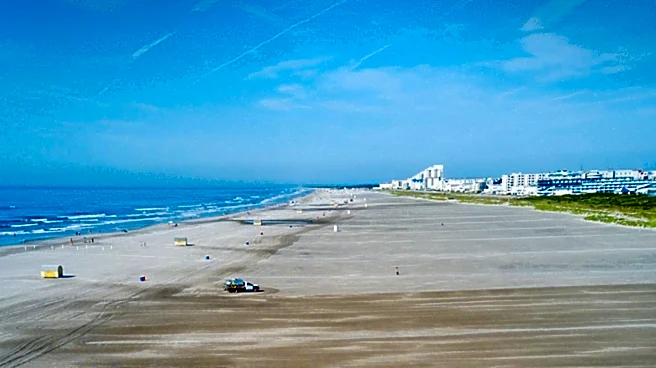
Ocean City, New Jersey, is currently undergoing a significant beach replenishment project, with the Army Corps of Engineers awarding a $19.5 million contract to Great Lakes Dredge & Dock Company. The initiative aims to rebuild the city's north-end beaches
by adding 1.6 million cubic yards of sand. This project area spans from Seaspray Beach to 12th Street and marks the 11th renourishment effort for Ocean City's north end since a 50-year agreement with the Army Corps began in the early 1990s. Sand-pumping operations are continuing 24 hours a day, with approximately 1,000 feet of beach (two blocks) surrounding the immediate work area closed to public access at any given time. Sand ramps are being constructed over the pipeline at all beach entrances as the work progresses. The project began with work moving southward from First Street toward 12th Street, and is now progressing northward toward Great Egg Harbor Inlet. All projected timelines are subject to potential delays due to weather, equipment, and logistics.
Why It's Important?
This beach replenishment project is critically important for Ocean City, New Jersey, as it directly addresses coastal erosion and provides vital protection for coastal property. Beaches serve as natural barriers against storm surges and high tides, and their erosion can leave homes, businesses, and infrastructure vulnerable to severe damage. The continuous need for renourishment, as evidenced by this being the 11th project since the early 1990s, highlights the ongoing challenge of maintaining coastal resilience in the face of natural processes and potentially rising sea levels. Beyond protection, healthy beaches are fundamental to Ocean City's tourism economy, attracting visitors and supporting local businesses. The temporary closures and ongoing operations, while necessary, can impact beach access for residents and tourists, potentially affecting local commerce during the summer season. However, the long-term benefits of a robust coastline for both safety and economic stability far outweigh these short-term inconveniences.
What's Next?
Sand-pumping operations will continue 24 hours a day as the project progresses northward toward Great Egg Harbor Inlet. Approximately 1,000 feet of beach surrounding the immediate work area will remain closed to public access at any time, with sand ramps being constructed over the pipeline at beach entrances. The project's timelines are subject to various factors, including weather delays and equipment issues, so residents and visitors are advised to regularly check for updates. Once completed, the replenished beaches will offer enhanced protection against coastal storms and erosion, benefiting property owners and the broader community. The success of this project will also inform future coastal management strategies and potential renourishment efforts, ensuring the long-term viability of Ocean City's coastline. The city will likely continue to monitor beach conditions and collaborate with the Army Corps of Engineers for ongoing maintenance and protection.
Beyond the Headlines
The recurring need for beach replenishment in Ocean City, New Jersey, underscores the broader national challenge of coastal management in an era of climate change and increased storm intensity. This project is not merely about adding sand; it represents a continuous effort to adapt to dynamic coastal environments and protect valuable assets. The substantial investment of $19.5 million highlights the economic burden associated with maintaining coastal communities, a cost often shared between federal and local governments. This ongoing cycle of erosion and renourishment raises questions about the long-term sustainability of such interventions and the potential for more comprehensive, nature-based solutions or strategic retreat in some areas. The project also touches upon the delicate balance between environmental preservation, economic development, and public access, as temporary beach closures impact recreational activities. Ultimately, Ocean City's experience serves as a microcosm of the larger national conversation about coastal resilience, infrastructure investment, and the future of communities on the front lines of environmental change.