





What's Happening?
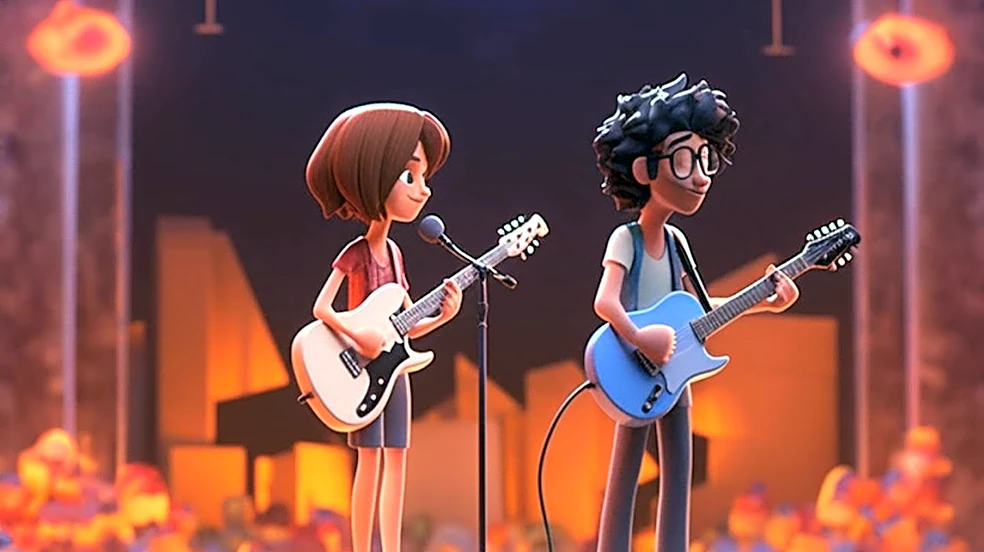
A new study from the University of California, Berkeley, has found a significant gender disparity in animated films, specifically concerning nonhuman characters. While female human characters now receive nearly half of the total screen time in animated movies,
only about 25% of screen time for nonhuman characters—such as animals, monsters, robots, and magical creatures—is allocated to females. This research analyzed 224 animated films released between 1937 and 2025, focusing particularly on films from 1980 onwards. The study utilized computational models to identify and measure screen time for characters, with manual checks performed on 100 films to ensure accuracy. The researchers classified character gender based on voice-actor gender and fan-community descriptions. David Bamman, a Berkeley associate professor in the School of Information and lead author, noted the surprising strength of the male skew among nonhuman characters, even in films like 'Moana' which featured no female nonhuman characters.
Why It's Important?
This gender imbalance in nonhuman animated characters is significant because animated films are a primary form of media consumed by children, shaping their perceptions of gender norms and societal roles. Decades of research indicate that media representation influences how children view themselves and interact with others. Inclusive representation can foster empathy and belonging, while stereotyped portrayals can reinforce narrow gender norms. The study highlights that despite progress in representing human female characters, the lack of parity among nonhuman characters could undermine these gains. This disparity may subtly perpetuate the idea that male characters are the default or more central in narratives, even in fantastical settings. The findings call attention to a less obvious but pervasive form of gender bias in children's media, urging creators to consider the broader implications of their character design and storytelling choices.
What's Next?
The UC Berkeley research team plans to continue exploring gender representation in media, with Bamman and his team also examining the evolution of close-ups in live-action films, where women tend to receive more close-ups than men—a disparity not found in animation. The study's findings are expected to prompt further discussion and research into the causal effects of such representation on children's development and perceptions. Filmmakers and animation studios may face increased scrutiny regarding their portrayal of nonhuman characters, potentially leading to efforts to diversify gender representation in these roles. The research also lays a foundation for future studies to investigate the specific impacts of changing representation on the minds of children exposed to animated media, encouraging a more conscious approach to character development in the animation industry.
Beyond the Headlines
The study's findings extend beyond simple screen time metrics, touching upon deeper ethical and cultural dimensions of media creation. The overwhelming male representation among nonhuman characters suggests an unconscious bias in storytelling that may reflect broader societal norms, even when creators aim for progressive human character portrayals. This disparity could subtly reinforce patriarchal narratives, where male figures are predominantly cast as adventurers, helpers, or antagonists, regardless of species. The research also highlights the power of computational models in uncovering subtle biases in vast datasets, offering a new tool for media analysis and critique. Addressing this imbalance requires a conscious effort from animators and writers to challenge traditional archetypes and actively create diverse nonhuman characters, fostering a more equitable and inclusive imaginative landscape for young audiences.