
What's Happening?
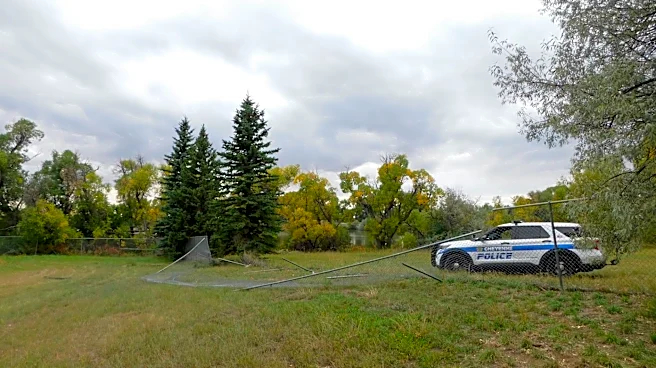
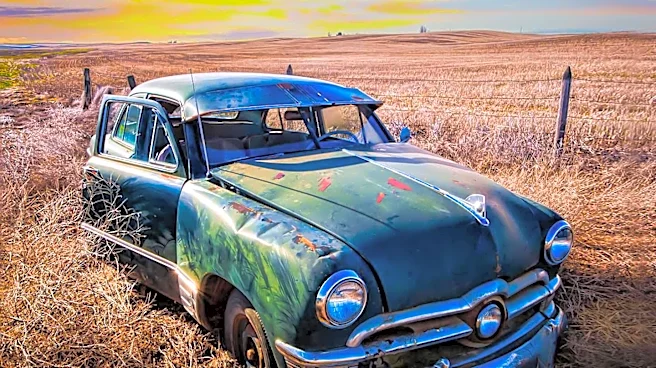
A mangled car wreck, a familiar landmark below the Bridle Trail on Casper Mountain, has been the subject of local lore for decades, with many believing it to be the vehicle from a fatal 1937 crash. On
July 25, 1937, a car carrying four young Casper residents, including 18-year-old Martha Shelby Park who was killed, plunged off Lookout Point. Newspaper reports from the time described the car as a 'grim monument' to the first traffic fatality on Casper Mountain Road. However, recent investigations, including one by Hanz Olson, librarian and archivist for the Western History Center at Casper College, and a theory from Casper resident Paul Ferguson, suggest the wreck currently visible might not be the same car from the 1937 incident. A casting number on the engine of the current wreck indicates it's a Dodge 218-cubic-inch flathead-six cylinder head, used from the 1940s onwards, making it too new for the 1937 crash. The car remains on private property, and Natrona County Parks and Recreation has no intention of removing it, considering it a part of history.
Why It's Important?
This ongoing mystery highlights the intersection of local history, community memory, and physical landmarks. For generations of Casper residents, the car wreck has been a tangible link to a tragic event, shaping local narratives and providing a point of interest for hikers and horseback riders. The potential discrepancy between the local legend and the physical evidence challenges the collective memory of the community and underscores how historical details can become blurred over time. The car's continued presence, despite its uncertain origins, signifies its cultural importance as a local icon. The investigation into its true history also demonstrates the value of archival research and local inquiry in preserving and clarifying historical records, even for seemingly minor local events.
What's Next?
The search for definitive answers regarding the car wreck's origin is expected to continue. Hanz Olson points to archival collections, including those from photographer Charles 'Chuck' Morrison and the Casper Star-Tribune, as potential sources for further clues. These collections may contain photographs or records that could either confirm or definitively refute the connection between the visible wreck and the 1937 crash. Researchers will likely delve into these historical documents, including undigitized images, to find any overlooked captions or early photographs of the mountain that could shed light on when and how the car came to rest there. The car itself is not slated for removal, ensuring it will remain a subject of local curiosity and historical investigation for the foreseeable future.
Beyond the Headlines
The Casper Mountain car wreck transcends a simple historical curiosity; it embodies the complex relationship between physical remnants, oral traditions, and documented history. The enduring appeal of the mystery speaks to a human desire to connect with the past and understand the stories embedded in the landscape. It also raises questions about how local legends are formed, perpetuated, and sometimes challenged by new evidence. The car, now rusting into the mountainside, serves as a silent testament to the passage of time and the evolving nature of historical interpretation. Its status as a 'part of history,' even if its specific history is debated, highlights the intrinsic value communities place on landmarks that evoke a sense of place and narrative, regardless of their precise factual accuracy.