









What's Happening?
Roy Kasher, a native of Kfar Giladi, has captured the haunting images of his evacuated kibbutz, which was abandoned during a turbulent period in the fall of 2023. His exhibition, 'A Man Hanging His Yesterday,' is now on display at the 'Beit Hashomer'
museum in Kfar Giladi. The photographs document the destruction and abandonment left by the war, providing a visual record of the kibbutz's most challenging days. Kasher, who initially planned to pursue a career in music, turned to photography during the conflict, capturing the empty homes and landscapes of his hometown. Despite initial resistance from local emergency squads and the army, Kasher felt compelled to document the historic event. His work has resonated with the community, offering a means to process the trauma of evacuation and loss.
Why It's Important?
Kasher's photographs serve as a poignant reminder of the impact of war on communities, highlighting the emotional and psychological toll of displacement. The exhibition provides a platform for residents to confront and process their experiences, fostering a sense of healing and resilience. By documenting the abandoned kibbutz, Kasher offers a unique perspective that combines personal history with broader themes of loss and recovery. The images not only preserve the memory of the kibbutz's evacuation but also contribute to the collective understanding of the human cost of conflict. This visual documentation is crucial for both the local community and broader audiences, as it underscores the importance of preserving history and acknowledging the emotional scars left by war.
What's Next?
As Kfar Giladi continues to rebuild, the community is focused on restoring normalcy and strengthening social bonds. The exhibition plays a vital role in this process, serving as a catalyst for dialogue and reflection. The kibbutz has already made significant strides in its recovery, with facilities like the swimming pool being renovated and reopened. Moving forward, the community is determined to prevent future evacuations and ensure the safety and stability of its residents. The exhibition will likely continue to attract attention, both locally and beyond, as it offers a powerful narrative of resilience and hope. Kasher's work may inspire similar projects in other communities affected by conflict, highlighting the therapeutic potential of art in trauma recovery.
Beyond the Headlines
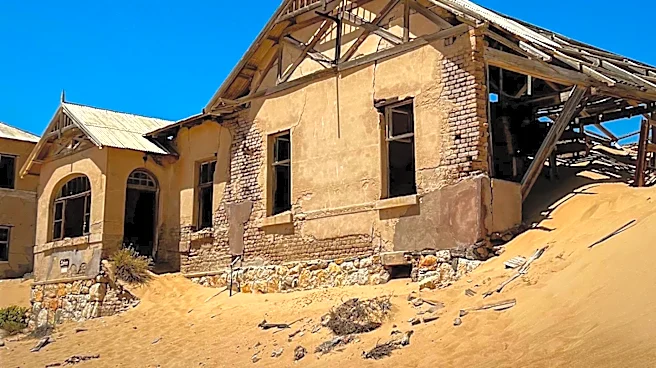
Kasher's work taps into a broader cultural fascination with abandoned places, which often evoke feelings of nostalgia and melancholy. The images of Kfar Giladi resonate with universal themes of loss and renewal, drawing parallels with other sites of abandonment around the world. This genre of photography, which captures the intersection of nature and human-made environments, offers a unique lens through which to explore the emotional landscape of post-conflict recovery. The exhibition not only documents a specific historical moment but also invites viewers to reflect on their own connections to place and memory. By engaging with these images, audiences can explore the complex interplay between personal and collective histories, gaining insight into the enduring impact of war on communities.