







What's Happening?
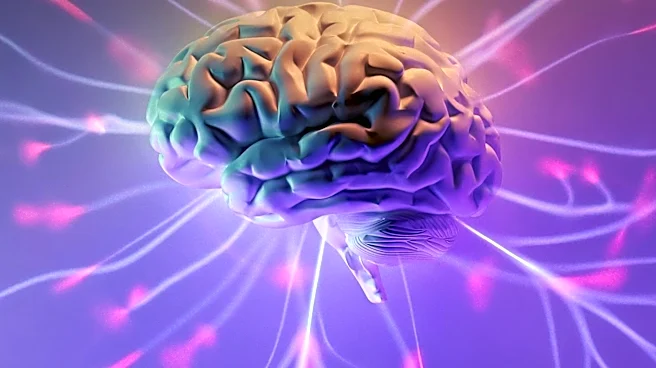
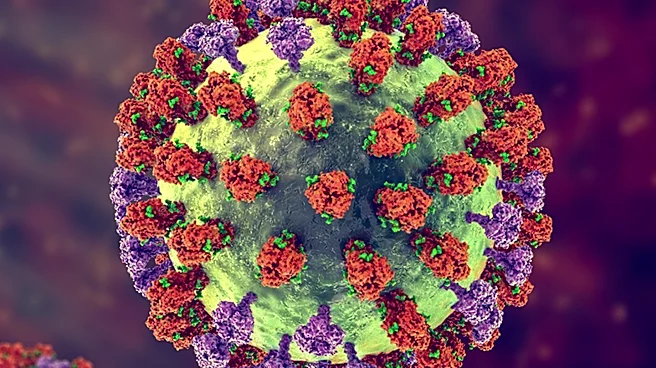
Encephalitis is an inflammation of the brain that can start with flu-like symptoms and progress to more severe neurological issues such as confusion, seizures, and changes in behavior. The condition is often caused by viral infections, but autoimmune
inflammation and other infections can also lead to similar symptoms. Early treatment is crucial and may involve antiviral medications, supportive hospital care, and treatments for autoimmune causes. Symptoms can vary widely, including fever, headache, confusion, and seizures, and they can overlap with other neurological conditions, making prompt medical assessment essential.
Why It's Important?
Understanding and promptly addressing encephalitis is critical due to its potential to cause severe neurological damage if left untreated. The condition can affect both children and adults, with symptoms that can rapidly escalate. Early diagnosis and treatment can significantly improve outcomes, reducing the risk of long-term complications. The condition's overlap with other serious illnesses like meningitis and stroke underscores the importance of accurate diagnosis and timely intervention. This has implications for healthcare providers and patients alike, emphasizing the need for awareness and readiness to seek medical care.
What's Next?
For those diagnosed with encephalitis, ongoing medical care and monitoring are essential. Treatment plans may include antiviral or immunosuppressive therapies, depending on the underlying cause. Patients may require rehabilitation to address any lasting neurological effects. Healthcare providers will continue to focus on early detection and treatment strategies to improve patient outcomes. Public health education on recognizing symptoms and seeking timely medical care can also play a role in managing the impact of encephalitis.