




What's Happening?
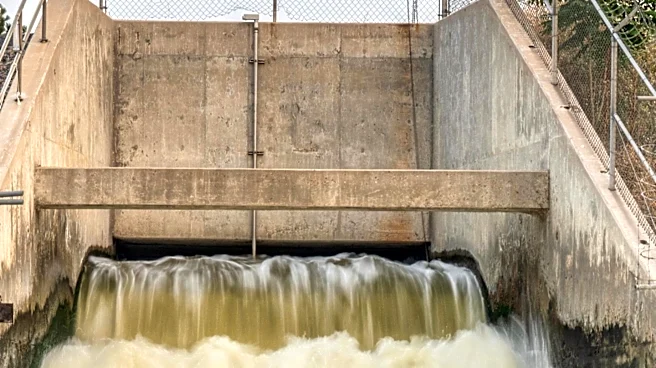
State and federal agencies are investigating a coordinated cyberattack on operational technology systems at over 30 water utilities in Minnesota. The attacks, which occurred on July 26 and 27, affected automated control functions in cities like Maple
Plain, Braham, South St. Paul, and Plymouth. While contingency procedures were activated, and most water and wastewater operations remained functional, Braham briefly took its water plant offline. The attacks follow a U.S. government warning about Iran-linked cyber threats targeting industrial control systems from companies like Siemens, Rockwell Automation, and Schneider Electric. Although Iranian groups such as CyberAv3ngers and Handala are suspected, no formal attribution has been made.
Why It's Important?
The cyberattacks on Minnesota's water utilities highlight vulnerabilities in critical infrastructure, raising concerns about the security of essential services. These incidents underscore the potential for significant disruptions in public utilities, which could have widespread societal and economic impacts. The attacks also emphasize the need for robust cybersecurity measures to protect against foreign threats, particularly from state-affiliated actors. The situation could lead to increased scrutiny and investment in cybersecurity for public infrastructure, affecting policy decisions and resource allocation at both state and federal levels.
What's Next?
As investigations continue, there may be increased pressure on local and federal authorities to enhance cybersecurity protocols for critical infrastructure. This could involve revisiting and strengthening existing security frameworks and conducting comprehensive vulnerability assessments. The situation may also prompt legislative action to address cybersecurity gaps in public utilities. Additionally, there could be diplomatic repercussions if a foreign state is formally attributed to the attacks, potentially affecting international relations and cybersecurity policies.