









What's Happening?
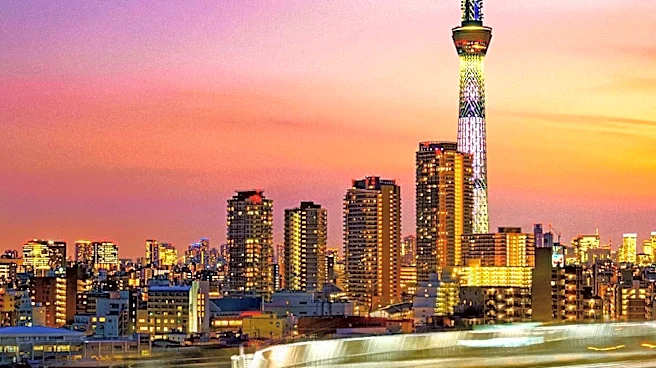
Tokyo, along with other major Japanese cities like Kyoto and Osaka, experiences a transitional period in September, moving from the warmth of summer into the initial stages of autumn. Early September still retains summer-like conditions, but as the month
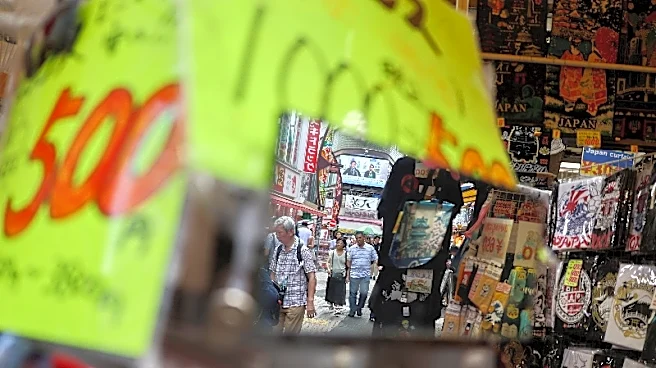
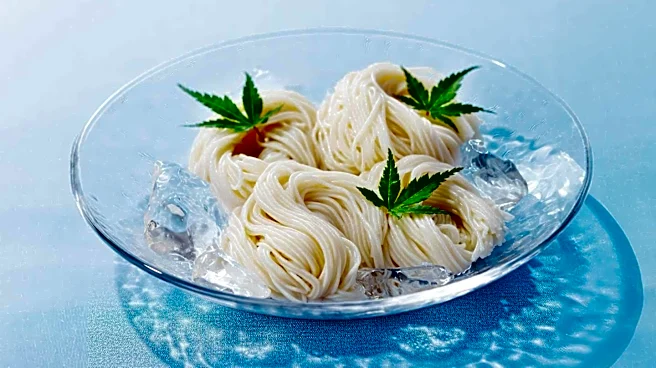
progresses, days become more comfortable, evenings cooler, and the first signs of autumn foliage begin to appear. This period offers a unique opportunity for travelers to explore Japan at a more relaxed pace, avoiding the peak crowds of both summer and late autumn. The easing of intense summer heat makes sightseeing more enjoyable, allowing visitors to comfortably explore historic temples, gardens, shopping streets, and cultural landmarks. Additionally, September marks the beginning of the harvest season for various Japanese fruits, such as grapes and pears, providing a chance to experience seasonal culinary delights. Local festivals and cultural events also take place, offering insights into Japanese traditions and community celebrations.
Why It's Important?
This transitional weather pattern in Tokyo and across Japan in September is significant for the tourism industry and local economies. By offering a 'beautiful balance between summer and autumn,' it extends the viable travel season, potentially attracting tourists who prefer milder weather and fewer crowds. This can lead to a more consistent flow of tourism revenue outside of the traditional peak seasons. For travelers, it provides an opportunity to experience Japan's cultural and natural beauty without the discomfort of extreme heat or the congestion of peak autumn foliage viewing. The emphasis on seasonal produce and local festivals also highlights Japan's rich cultural heritage and agricultural practices, offering unique experiences that can differentiate the September travel period from other times of the year. This balanced approach to tourism can help sustain local businesses and cultural institutions by spreading visitor numbers more evenly throughout the year.
What's Next?
As September progresses, Japan will continue its gradual transition into its full autumn season. Travelers visiting in late September and beyond can anticipate increasingly cooler temperatures and more pronounced autumn foliage, particularly in mountainous and rural areas. The tourism sector will likely continue to promote September as an ideal time for those seeking a quieter, more comfortable travel experience before the influx of visitors for the peak autumn colors. Local communities will continue to host seasonal festivals and events, adapting to the changing weather and harvest cycles. Businesses catering to tourism, such as hotels, restaurants, and tour operators, will adjust their offerings to align with the evolving seasonal attractions, from early autumn produce to the initial displays of fall colors. The focus will shift towards showcasing the vibrant autumn scenery and related cultural activities as the country moves deeper into the fall months.
Beyond the Headlines
The subtle shift from summer to autumn in Japan, particularly in major urban centers like Tokyo, reflects a deeper cultural appreciation for seasonal changes, known as 'kisetsu.' This period is not just about weather but also about how daily life, cuisine, and traditions adapt to and celebrate these transitions. The emphasis on 'seasonal experiences' and 'flavors of early autumn' highlights a profound connection between nature and culture in Japan. This cultural sensitivity to seasons influences everything from culinary practices, where specific ingredients are celebrated at their peak, to artistic expressions and traditional festivals. For visitors, experiencing this transitional period offers more than just comfortable weather; it provides a glimpse into the rhythm of Japanese life and the nuanced ways in which the country embraces and integrates natural cycles into its societal fabric. This deep-seated respect for seasonality contributes to Japan's unique identity and its appeal as a travel destination.