








What's Happening?
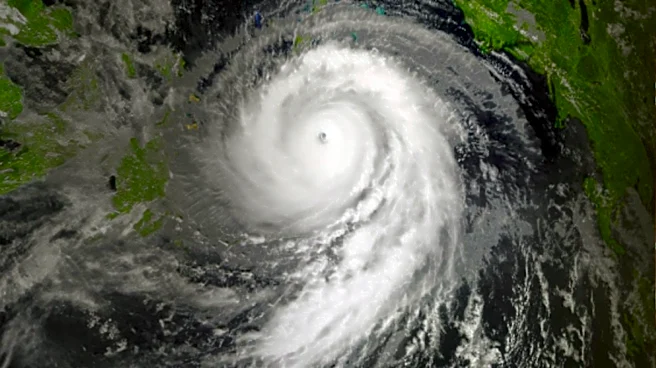
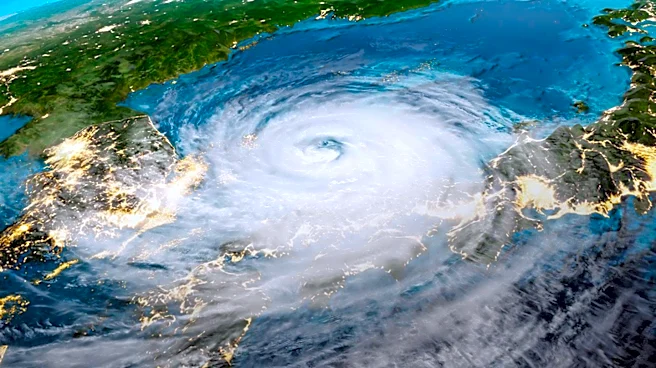
In the Philippines, landslides have claimed the lives of at least 15 individuals as Typhoon Bavi threatens the region. The Philippine weather agency, PAGASA, has issued warnings about heavy rainfall and potential widespread flooding, particularly affecting
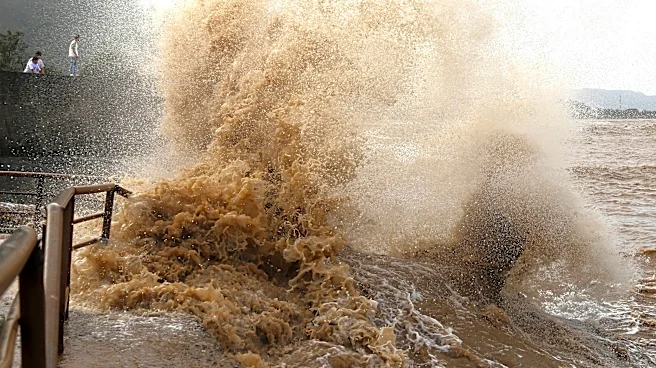
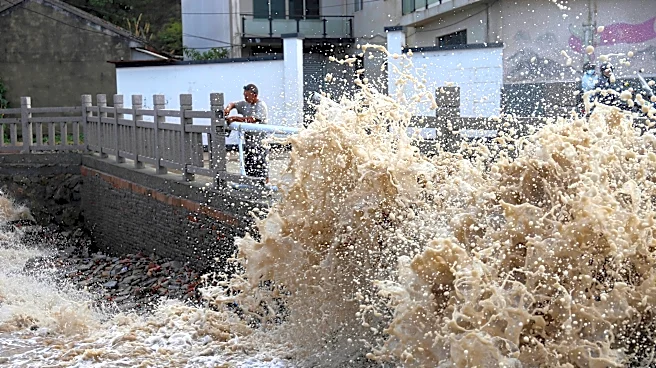
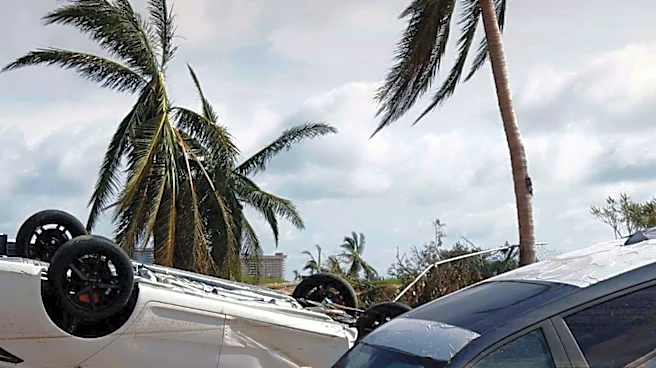
the capital, Manila. The typhoon, known locally as Inday, entered the Philippine Area of Responsibility on Wednesday but has since weakened while moving northwest across the Philippine Sea. Despite not making landfall, the typhoon's tail end is expected to exacerbate monsoon rains. The landslides occurred in the southern provinces of Sarangani and Lanao del Sur, with 10 fatalities reported in Malapatan, Sarangani, and five in Lanao del Sur. The typhoon has already caused infrastructure damage in Guam and the Northern Mariana Islands and is now moving towards Taiwan and China.
Why It's Important?
The impact of Typhoon Bavi highlights the vulnerability of the Philippines to natural disasters, particularly during the monsoon season. The heavy rains and resulting landslides underscore the need for effective disaster preparedness and response strategies in the region. The situation also poses significant challenges for local governments and communities, as they must manage evacuations and provide aid to affected areas. The broader implications extend to regional stability, as the typhoon's path includes other countries like Taiwan and China, which are also preparing for potential impacts. The event serves as a reminder of the ongoing threat posed by climate-related disasters in Southeast Asia and the importance of international cooperation in disaster risk reduction.
What's Next?
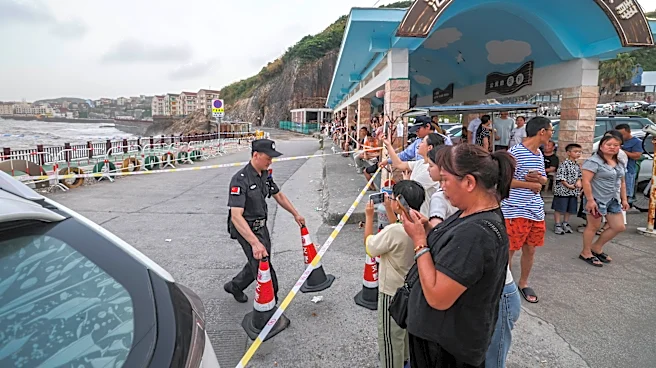
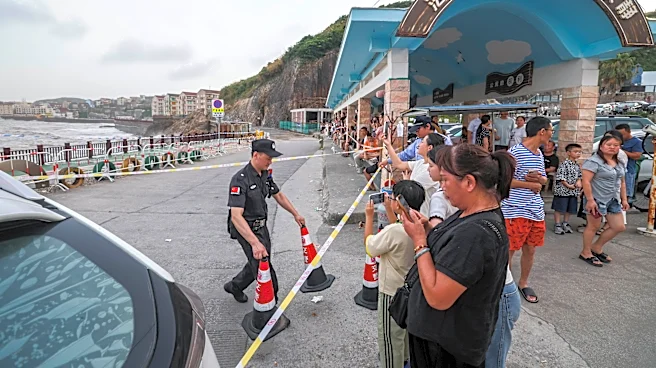
As Typhoon Bavi continues its trajectory towards Taiwan and China, these countries are undertaking evacuation efforts and other preparations to mitigate the storm's impact. In the Philippines, local authorities are likely to continue monitoring weather conditions closely and may implement further evacuations if necessary. The focus will be on providing relief to affected communities and assessing the damage caused by the landslides. International aid and support may be mobilized to assist in recovery efforts. The situation also calls for a review of existing infrastructure and emergency response systems to better handle future natural disasters.