





What's Happening?
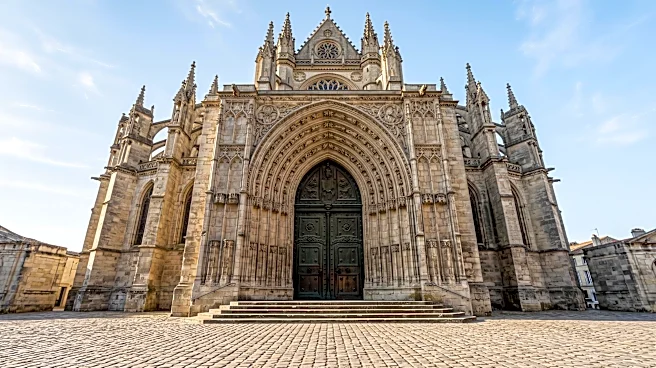
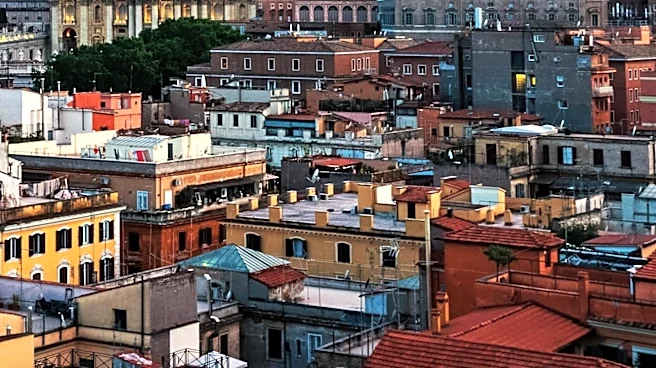
During the Nazi occupation of Rome, the Catholic church of San Gioacchino in Prati served as a secret refuge for up to 35 individuals fleeing persecution. Priests, religious sisters, and laypeople at the church risked their lives to shelter Jews, Allied
prisoners of war, and political dissidents. This operation was organized by engineer Pietro Lestini, the parish priest, his daughter, and Sister Margherita Bernes, who managed to secure food and provisions for eight months. The refugees were hidden in the church attic, behind a brick wall that was deliberately sealed. Food and waste were passed through a small opening, and all movement occurred at night to avoid detection. The story of this refuge was largely forgotten until 1984 when Redemptorist Father Ezio Marcelli discovered the hidden space and began to reconstruct the events and lives of those sheltered there. The Vatican, under Pope Pius XII, maintained public neutrality but quietly encouraged Catholic institutions to offer sanctuary.
Why It's Important?
This historical account highlights the significant role that religious institutions and individuals played in humanitarian efforts during World War II, often at great personal risk. The actions at San Gioacchino exemplify a broader pattern of resistance and aid within the Catholic Church in Rome, which contributed to saving a substantial percentage of Italy's Jewish population during the German occupation. The rediscovery of such stories provides crucial insights into the complexities of wartime morality and the courage of ordinary people in extraordinary circumstances. It also underscores the enduring debate surrounding the Vatican's role during the Holocaust, demonstrating instances where local church members actively defied Nazi persecution, even as the Holy See maintained a public stance of neutrality. Such narratives serve as powerful reminders of human resilience and compassion in the face of extreme adversity.
What's Next?
The legacy of San Gioacchino continues to be recognized, with the church being designated a 'House of Life' by the Raoul Wallenberg Foundation in 2016. This recognition ensures that the story of those who found refuge and those who provided it will be preserved and shared for future generations. Efforts to document and commemorate such acts of bravery are ongoing, contributing to historical understanding and education about the Holocaust. Descendants of the refugees, such as Poldo Moscati's daughters, Miriam and Gianna, participate in these commemorative events, maintaining a living connection to the past. The continued sharing of these stories helps to reinforce lessons about human rights, religious freedom, and the importance of standing against persecution, serving as a moral compass for contemporary challenges.
Beyond the Headlines
The story of San Gioacchino in Prati delves into the ethical dilemmas faced by individuals and institutions during wartime. While the Vatican maintained a policy of neutrality, the actions of local clergy and laypeople demonstrate a grassroots resistance that often operated independently, driven by humanitarian principles. This duality highlights the tension between institutional diplomacy and individual moral imperative. The discovery of drawings and writings left by the refugees in the attic offers a poignant glimpse into their daily lives, their resilience, and their efforts to maintain a sense of normalcy and hope in confinement. These artifacts provide a tangible connection to the past, illustrating the human cost of conflict and the enduring power of art and creativity even in the direst circumstances. The narrative also contributes to the broader historical understanding of rescue efforts during the Holocaust, emphasizing the diverse forms that resistance took.