




What's Happening?
U.S. Representative Madeleine Dean (D-Pennsylvania) has introduced H.R. 10226, known as the 'No Shock Act.' This proposed legislation aims to prohibit federal law enforcement officers from using shock gloves to enforce immigration laws. The bill was introduced in the House
on September 2, 2026, and subsequently referred to the House Committee on the Judiciary. Representative Dean is the primary sponsor of the bill, which currently has one cosponsor, also a Democrat. This legislative effort comes amidst broader discussions and concerns regarding the tactics and accountability of federal immigration enforcement agencies, particularly U.S. Immigration and Customs Enforcement (ICE). The introduction of this bill highlights a specific focus on the methods used during immigration enforcement operations.
Why It's Important?
The 'No Shock Act' is significant as it directly addresses concerns about the use of potentially harmful tools by federal law enforcement in immigration contexts. If passed, this bill would establish a clear federal prohibition on the use of shock gloves, which could impact the operational procedures of agencies like ICE. This move reflects a legislative attempt to regulate the use of force and ensure humane treatment during immigration enforcement. For civil liberties advocates and immigrant communities, the bill represents a step towards greater protection against what they may view as excessive or inhumane tactics. Conversely, some law enforcement proponents might argue that such restrictions could hinder officers' ability to maintain control in challenging situations. The bill's progression through Congress will indicate the level of bipartisan support or opposition to stricter oversight of immigration enforcement methods.
What's Next?
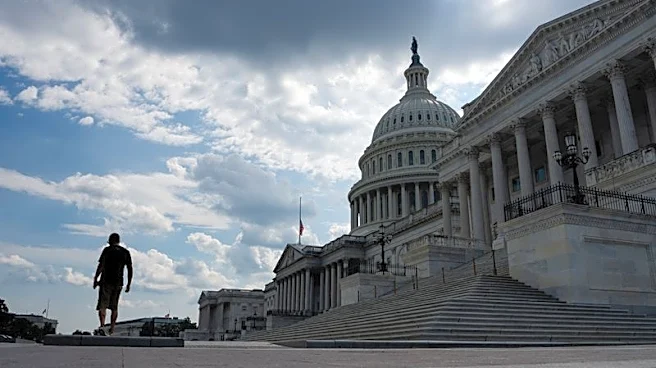
The 'No Shock Act' has been referred to the House Committee on the Judiciary, where it will undergo review and potential amendments. The next steps would involve committee hearings, where proponents and opponents of the bill could present their arguments. If it passes through the committee, it would then be eligible for a vote by the full House of Representatives. Should it pass the House, it would move to the Senate for consideration. The legislative calendar indicates that both the U.S. Senate and House of Representatives are scheduled to be out of session the week of September 7 through September 11, meaning further action on the bill would likely resume after this period. The bill's future will depend on its ability to garner sufficient support in both chambers of Congress.
Beyond the Headlines
Beyond the immediate prohibition of shock gloves, the 'No Shock Act' touches upon the broader debate surrounding the accountability and oversight of federal law enforcement agencies, particularly in the context of immigration. The bill implicitly raises questions about the types of equipment deemed acceptable for use by officers and the ethical boundaries of force. It could also contribute to a larger conversation about the training standards and vetting processes within agencies like ICE, especially in light of recent whistleblower complaints regarding rapid expansion and compromised hiring standards. The legislative push to ban specific tools may signal a growing demand for more transparent and humane immigration enforcement practices, potentially influencing future policy discussions on agency conduct and civil rights.