





What's Happening?
Overnight on November 12-13, Moscow experienced a significant drone attack, leading to disruptions in flight operations at several major airports in the region. According to Moscow Mayor Sergey Sobyanin, Russian air defense units intercepted over 100
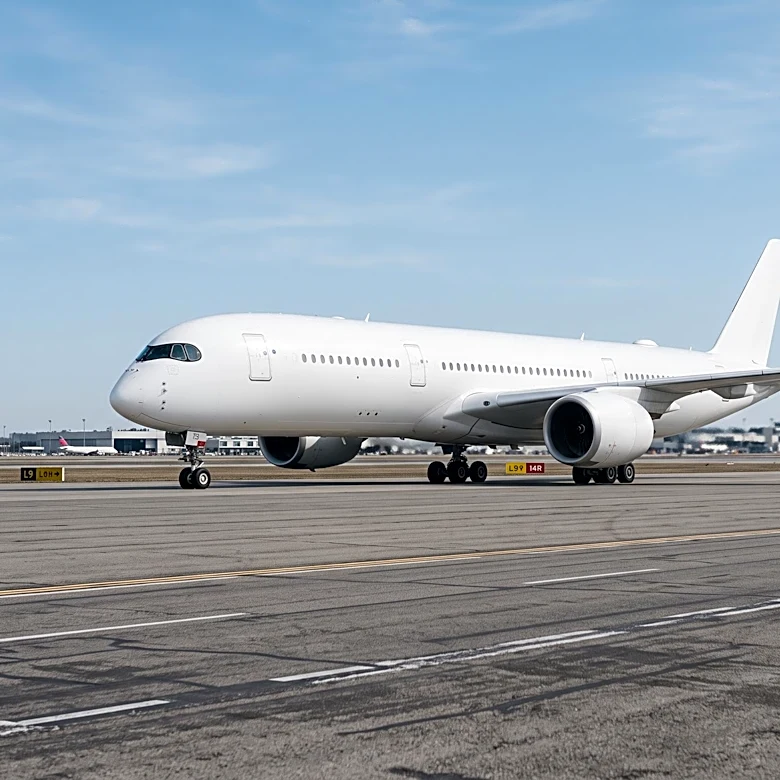
drones targeting the capital between 9:34 p.m. and 2:08 a.m. local time, with Sobyanin claiming 105 unmanned aerial vehicles (UAVs) were shot down. The exact number of drones launched is not known, as Russian officials only report on those intercepted. Emergency crews were dispatched to areas affected by falling drone wreckage, though no specific details on damages or casualties have been reported. Russia's Federal Air Transport Agency, Rosaviatsiya, announced temporary airspace restrictions, affecting Sheremetyevo, Domodedovo, and Zhukovsky airports, which are now accepting and dispatching flights subject to agreement with relevant authorities.
Why It's Important?
This drone attack on Moscow and its subsequent impact on airport operations underscore the increasing vulnerability of critical infrastructure to aerial threats. For the U.S. and its allies, this event highlights the evolving nature of modern warfare and the potential for non-traditional attacks to disrupt daily life and economic activity. The grounding of flights at major airports can have significant economic repercussions, affecting travel, trade, and supply chains. It also raises concerns about aviation security and the need for robust air defense systems capable of protecting urban centers and transportation hubs. The repeated nature of such incidents in Moscow suggests a persistent challenge for Russian authorities in securing their airspace, which could influence geopolitical strategies and defense spending globally.
What's Next?
Following this incident, Russian authorities will likely intensify efforts to enhance air defense capabilities around Moscow and other strategic locations. This could involve deploying more advanced anti-drone systems and implementing stricter airspace control measures. The repeated disruptions to aviation operations may lead to long-term changes in airport security protocols and flight management procedures in the region. Internationally, this event may prompt other nations to review their own defenses against drone attacks, particularly concerning critical infrastructure. The ongoing drone activity also suggests a continued escalation of tensions, with potential implications for international relations and diplomatic efforts to de-escalate the conflict.
Beyond the Headlines
The use of drones to target a capital city and disrupt its air travel infrastructure represents a significant psychological and strategic impact beyond immediate physical damage. It demonstrates the capacity to create widespread inconvenience and uncertainty, potentially affecting public morale and confidence in security measures. This type of warfare blurs the lines between conventional military engagement and asymmetric tactics, posing complex challenges for defense planners. The incident also highlights the dual-use nature of drone technology, where readily available commercial drones can be adapted for military purposes, making detection and interception more difficult. This trend could lead to a global re-evaluation of drone technology regulation and counter-drone strategies.