






What's Happening?
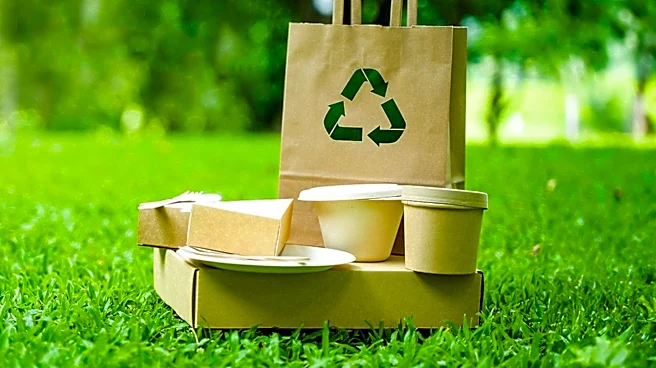
A new coalition, 'Safer Soils for All,' has been established to oppose efforts by the Biodegradable Products Institute (BPI) to fast-track federal approval for compostable packaging products as allowable feedstocks in organic crops or processed organic products.
The coalition comprises major waste haulers and composters, including Republic Services, Waste Connections, and WM, along with regional groups like the California Compost Coalition. This move comes after the USDA's National Organics Standards Board (NOSB) voted against a similar proposal from BPI in January, though the USDA is not bound by the board's guidance. The coalition argues that current compostable packaging materials pose contamination risks and do not break down sufficiently within typical commercial composting timelines, which are often 30 to 60 days, compared to the 84 to 180 days allowed by ASTM or BPI testing protocols.
Why It's Important?
This dispute has significant implications for the organic agriculture industry, waste management, and the broader push for sustainable packaging. If compostable packaging is approved as a feedstock for organic compost, it could introduce materials that may not fully decompose or could contain substances not permitted in organic farming, potentially compromising the integrity of organic certification. For composters, accepting these materials can lead to increased contamination rates, as consumers often misidentify non-compostable items as compostable, making it difficult to produce high-quality compost suitable for organic farms. This conflict highlights a critical tension between the desire to divert waste from landfills through compostable products and the need to maintain strict standards for organic soil amendments, affecting both environmental goals and agricultural practices.
What's Next?
The Safer Soils for All coalition will advocate for the NOSB's process of evaluating synthetic substances individually for approval in organic agriculture, rather than a blanket approval for compostable packaging. They aim to prevent the USDA from issuing an interim final rule that would circumvent the NOSB's previous rejection of BPI's petition. The debate is expected to continue at the federal level, with BPI vowing to persist in its advocacy for policy changes. The outcome will influence how compostable packaging is managed across the country, particularly in states like California, which has a mature composting ecosystem and regulations tied to federal determinations. Composters will likely continue to grapple with the challenges of contamination and the varying standards for compostable materials, depending on their end markets.
Beyond the Headlines
This conflict delves into the complex realities of sustainability claims and the practical challenges of implementing circular economy principles. While 'compostable' packaging offers an appealing solution to plastic waste, the debate reveals a significant gap between laboratory certifications and real-world composting conditions. It highlights the need for clearer standards, better consumer education, and potentially new material innovations that genuinely break down within commercial composting cycles without introducing contaminants. Ethically, the dispute questions who bears the responsibility for ensuring product end-of-life viability—manufacturers, consumers, or waste processors. The outcome could shape future regulations on packaging design, labeling, and waste diversion, pushing for more rigorous definitions of 'compostable' and potentially influencing investment in composting infrastructure and advanced material science to bridge the current performance gaps.