
What's Happening?
The European Commission is advocating for heavy industry sectors, such as steel and aluminum, to support a 'Made in Europe' initiative. This move is part of the upcoming Industrial Accelerator Act (IAA), which aims to decarbonize energy-intensive industries
while maintaining European competitiveness. The initiative seeks to counteract the competitive pressures from China and the United States by fostering domestic production of clean technologies. The Commission's strategy includes creating 'lead markets' to boost demand for sustainable, low-carbon industrial products like green steel and hydrogen. The IAA is expected to be presented on January 29, although delays are possible.
Why It's Important?
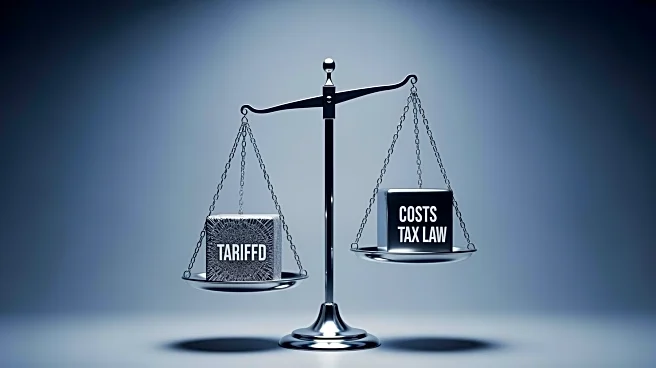
The push for 'Made in Europe' manufacturing is significant as it addresses the EU's need to strengthen its industrial base amidst global economic shifts. By prioritizing domestic production, the EU aims to reduce its trade deficit and enhance economic sovereignty. This initiative could lead to increased production costs due to stricter environmental standards, potentially affecting the competitiveness of European industries. However, it also presents an opportunity for the EU to lead in sustainable industrial practices, aligning with its net-zero goals. The outcome of this initiative could influence global trade dynamics and the EU's position in the international market.
What's Next?
The European Commission is expected to finalize the details of the IAA, including the percentage of European products required under the new law. Discussions are ongoing regarding the criteria for domestic products and potential financial support mechanisms. The Commission is also considering modifications to state aid rules to facilitate funding for decarbonization projects. The response from industry leaders and member states will be crucial in shaping the final legislation. The IAA's implementation could set a precedent for other regions looking to balance environmental goals with industrial competitiveness.