






What's Happening?
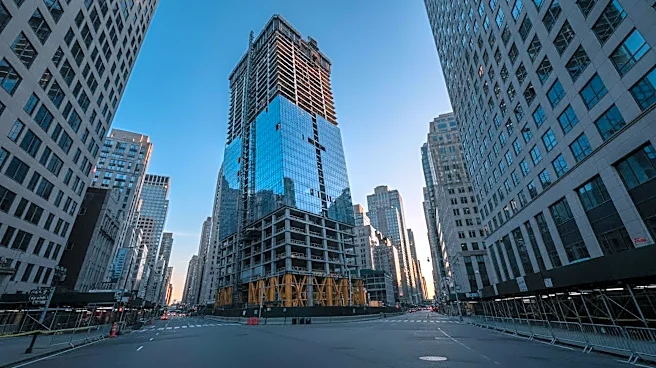
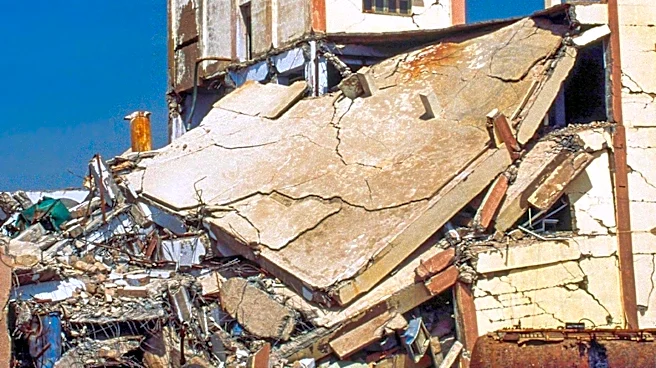
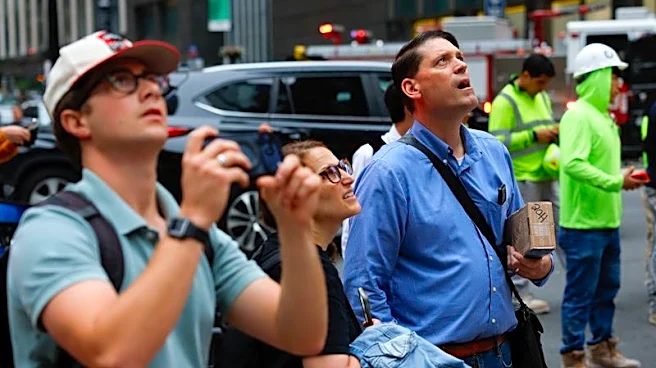
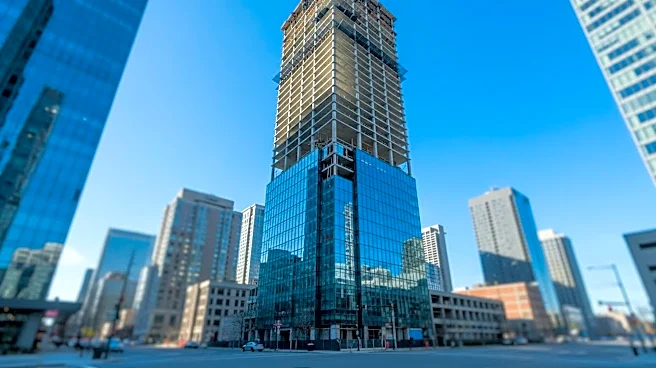
In Manhattan, a significant construction issue at a high-rise building, formerly the headquarters of Pfizer, has led to evacuations and street closures. The building, which is undergoing a major office-to-residential conversion, experienced buckling columns
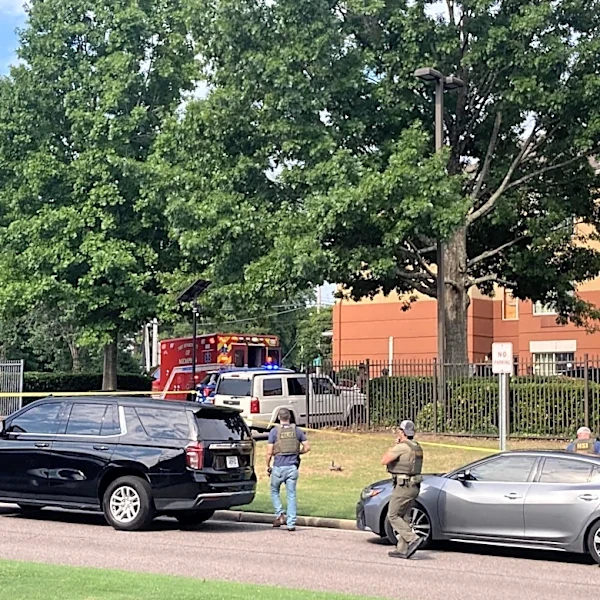
and sagging floors, prompting emergency responses. Mayor Zohran Mamdani confirmed that the building is stable, but safety measures are ongoing. Temporary supports have been installed, and further assessments by the city's Department of Buildings are planned to ensure compliance with safety codes. The incident has affected nearby buildings, including a school and the Israeli consulate, which remain evacuated.
Why It's Important?
This incident highlights the challenges and risks associated with large-scale urban redevelopment projects, particularly in densely populated areas like Manhattan. The conversion of office spaces to residential units is a growing trend in cities facing housing shortages, but it requires careful planning and execution to avoid structural failures. The situation underscores the importance of rigorous safety standards and oversight in construction projects. The disruption caused by the evacuations and street closures also impacts local businesses and residents, emphasizing the broader economic and social implications of construction safety issues.
What's Next?
The city will continue to monitor the building's stability and conduct a thorough assessment to ensure all safety codes are met before resuming non-emergency construction work. The developer, MetroLoft, will likely face increased scrutiny and pressure to address the structural issues promptly. The incident may lead to a reevaluation of safety protocols and regulations for similar conversion projects in New York City. Stakeholders, including local government and construction firms, will need to collaborate to prevent future occurrences and ensure public safety.