
What's Happening?
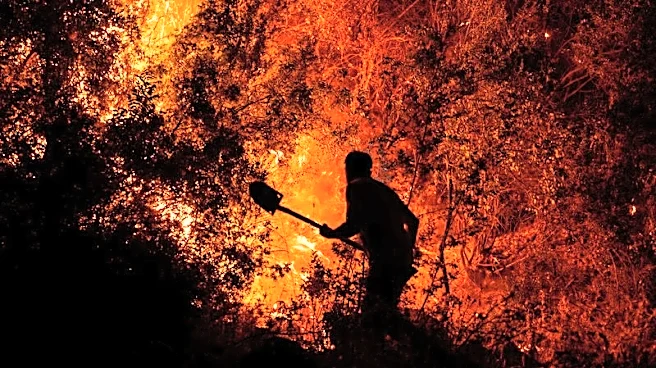
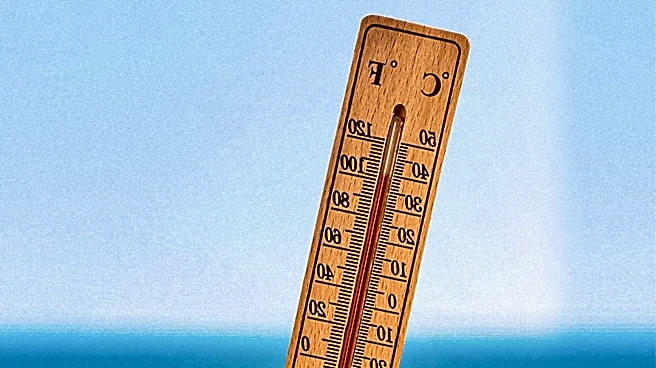
Europe is experiencing record-breaking heatwaves, with Western Europe logging its hottest June-July on record. The extreme temperatures are exacerbating existing economic challenges, particularly in the
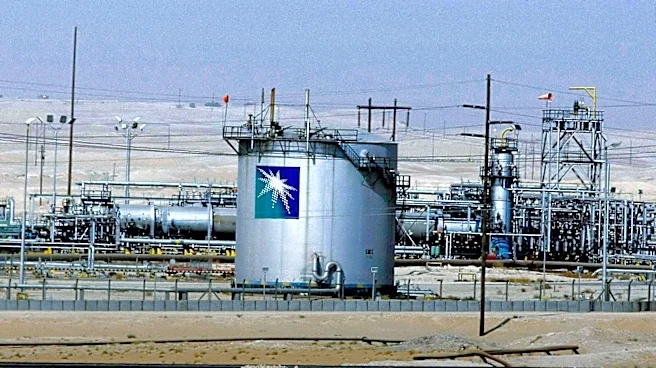
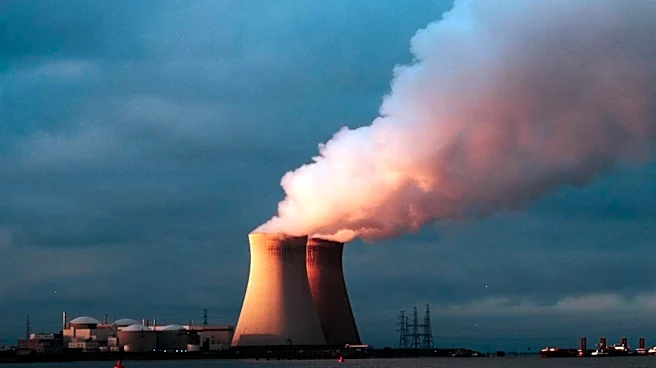
energy sector, as the continent grapples with high energy costs due to geopolitical tensions. The heatwaves have led to intensified wildfires and increased demand for energy, further straining resources. Meanwhile, economic indicators such as Germany's inflation and the U.K.'s GDP growth are being closely monitored to assess the impact of these conditions on the broader economy.
Why It's Important?
The heatwaves highlight the vulnerability of Europe's energy infrastructure and the economic repercussions of climate-related events. The increased energy demand and supply disruptions could lead to higher costs for households and industries, affecting economic growth and inflation rates. The situation underscores the need for sustainable energy solutions and climate resilience strategies. Additionally, the geopolitical context, including tensions with Iran and the U.S. blockade, adds complexity to Europe's energy security, influencing policy decisions and international relations.
What's Next?
European governments may need to implement measures to mitigate the impact of the heatwaves, such as energy conservation initiatives and support for affected industries. The ongoing geopolitical tensions could prompt further discussions on energy diversification and security. As climate change continues to pose challenges, there may be increased pressure on policymakers to accelerate the transition to renewable energy sources and enhance infrastructure resilience. The economic data released in the coming weeks will provide insights into the extent of the impact and inform future policy decisions.