


What's Happening?
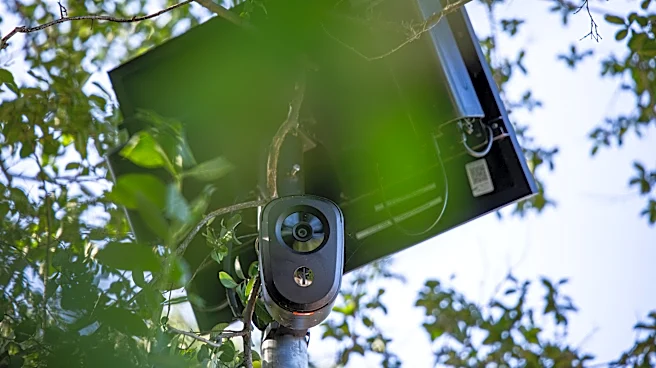
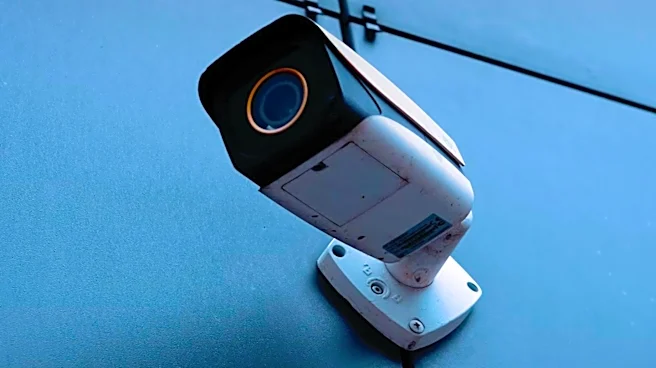
Ohio State Representative Levi Dean, a Republican from Xenia, is planning to introduce legislation aimed at prohibiting the use of mass surveillance technology, specifically Flock Safety license plate readers, without a search warrant. This legislative
effort comes as local leaders across the state are beginning to pause their Flock camera programs due to growing concerns about mass surveillance and privacy. In addition to requiring a search warrant for the deployment of such technology, Dean's proposed bill also seeks to ban the sale of surveillance data collected by these systems. This move reflects an increasing pushback against the widespread adoption of automated license plate recognition (ALPR) systems by law enforcement agencies, which have been criticized for their potential to create extensive databases of citizens' movements.
Why It's Important?
This proposed legislation in Ohio is significant as it directly addresses the tension between public safety and individual privacy rights in the context of advanced surveillance technology. By requiring a search warrant, the bill aims to introduce a judicial check on the deployment of ALPRs, aligning their use more closely with Fourth Amendment protections against unreasonable searches. The ban on selling surveillance data is also crucial, as it seeks to prevent the commercialization of sensitive personal information collected by government entities. If passed, this bill could set a precedent for other states grappling with similar issues, potentially influencing the national conversation around surveillance policy. It highlights a growing bipartisan concern about the unchecked expansion of surveillance capabilities and the need for clearer legal frameworks to govern their use, impacting how law enforcement agencies operate and how citizens' data is protected.
What's Next?
Representative Dean is expected to formally introduce his legislation, which will then go through the committee process in the Ohio General Assembly. The bill will likely face debate from various stakeholders, including law enforcement agencies, privacy advocates, and technology companies. Supporters will emphasize the importance of protecting civil liberties and preventing mass surveillance, while opponents may argue for the necessity of such tools in crime prevention and public safety. The outcome of this legislative effort could determine the future of Flock camera usage in Ohio and potentially influence similar policy discussions in other states. The debate will also likely involve discussions on the technical capabilities of these cameras, the types of data they collect, and the potential for misuse, pushing for a clearer definition of what constitutes 'mass surveillance' and how it should be regulated.
Beyond the Headlines
The initiative by Representative Dean to restrict Flock camera usage without a warrant delves into the deeper philosophical and legal questions surrounding the 'right to be let alone' in an increasingly monitored society. The proliferation of ALPRs, which can track and store the movements of millions of vehicles, creates a de facto national surveillance system, even if operated by local entities. This raises concerns about the potential for mission creep, where technology initially deployed for specific crimes is later used for broader, less defined purposes. The ethical implications extend to the concept of 'presumption of innocence,' as continuous tracking can treat all citizens as potential suspects. Furthermore, the ban on data sales addresses the growing concern about the commodification of personal data and the potential for its use by third parties, which could lead to unforeseen consequences for individuals. This legislative push is part of a larger societal reckoning with how technology reshapes the balance between security and freedom.