


What's Happening?
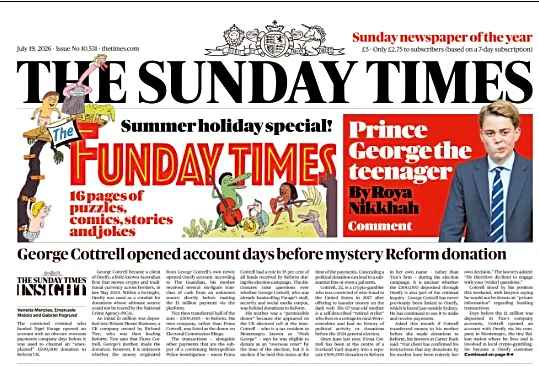
Nigel Farage, the leader of the Reform party, is facing significant challenges in the upcoming partial election in Clacton-on-Sea, a coastal town in the east of Great Britain. Farage, known for his role in the Brexit movement, has been accused of corruption,
specifically failing to declare $5 million in donations. These allegations have damaged his credibility, particularly among working-class voters in northern England who previously supported Reform. The election, scheduled for August 13, was called by Farage himself after he resigned from his position as a Member of Parliament. His main opponent is Count Binface, a satirical candidate known for his eccentric campaign style, including wearing a trash can on his head. Despite the controversy, traditional parties like Labour and the Conservatives have chosen not to field candidates against Farage, leaving the competition to minor parties and unconventional candidates.
Why It's Important?
The election in Clacton-on-Sea is significant as it highlights the ongoing political challenges faced by Nigel Farage and the Reform party. The allegations of corruption against Farage could undermine the party's stance against the 'establishment,' which has been a central theme of their political narrative. This situation also reflects broader issues within British politics, where unconventional candidates like Count Binface are gaining attention, potentially indicating voter dissatisfaction with traditional political figures. The outcome of this election could influence the political landscape in the UK, especially if Farage's credibility continues to decline. Additionally, the decision of major parties not to contest the election suggests strategic calculations about the political risks involved.
What's Next?
The partial election on August 13 will determine whether Nigel Farage can retain his seat and potentially provoke a general election. If Farage loses, it could signal a shift in voter sentiment and further damage his political career. The election results may also impact the Reform party's future, as they navigate the fallout from the corruption allegations. Observers will be watching to see if unconventional candidates like Count Binface can capitalize on voter discontent and make a significant impact. The broader implications for British politics include potential changes in party strategies and voter engagement, especially in regions traditionally supportive of Brexit.
Beyond the Headlines
The presence of Count Binface in the election highlights the role of satire and humor in political discourse, which can serve as a critique of the political system. This phenomenon reflects a growing trend where voters express dissatisfaction through support for non-traditional candidates. The election also raises questions about the effectiveness of political accountability mechanisms, as Farage's financial dealings have come under scrutiny. The situation underscores the challenges of maintaining transparency and trust in political leadership, which are crucial for democratic governance.