



What's Happening?
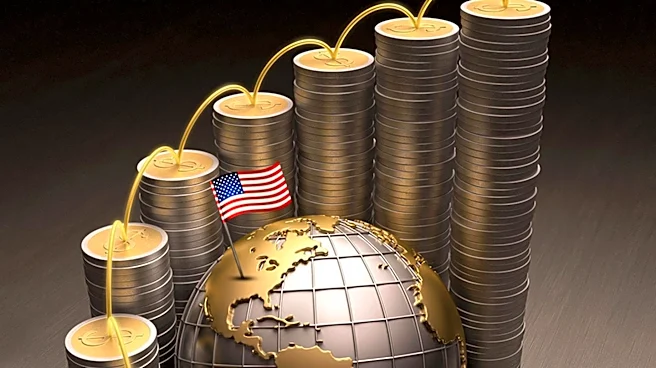
Public funding commitments from developed nations to help developing countries address climate change have decreased by over 70% in 2026, according to an analysis by Carbon Brief. Most previous multi-year pledges expired in 2025, and few major donors
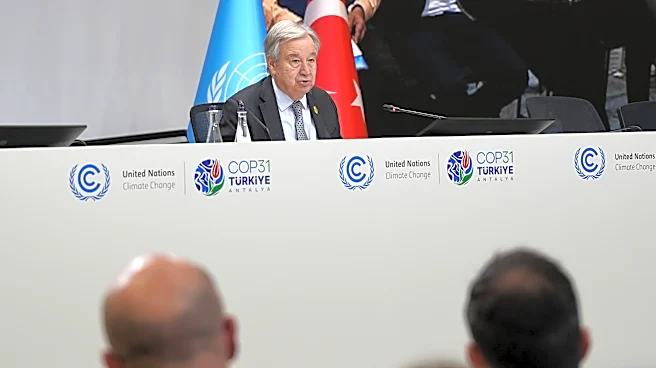
have announced new ones. The United States, in particular, has withdrawn from international climate efforts, and no official climate finance is expected from the U.S. in the coming years. This reduction means the total amount of public climate finance pledged annually for the next few years is only $11.7 billion, a significant drop from recent levels of approximately $40 billion. Experts attribute this decline to global conflicts, fiscal constraints, and the rise of far-right political movements, making it challenging for developed governments to commit new funds. The COP31 summit in Turkey is currently underway, where developing countries are emphasizing their urgent need for new financial support.
Why It's Important?
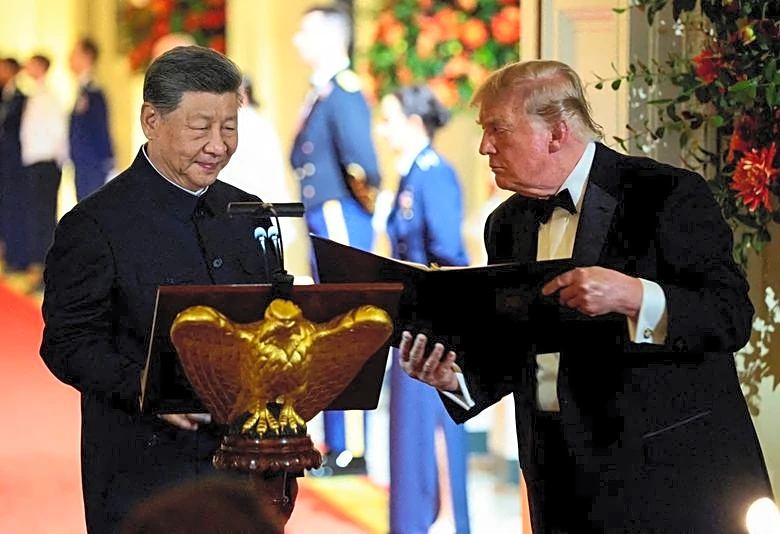
The absence of U.S. climate finance pledges and the overall 70% reduction in global contributions have significant implications for international climate efforts and U.S. foreign policy. The U.S. has historically been a major contributor to climate finance, and its withdrawal creates a substantial void, potentially undermining global climate goals, particularly those outlined in the Paris Agreement. This reduction could strain diplomatic relations with developing nations that rely on these funds for climate mitigation and adaptation. Furthermore, it may diminish U.S. influence in international climate negotiations and leadership on environmental issues. Domestically, this stance could face criticism from environmental groups and some political factions, while potentially aligning with others who prioritize fiscal conservatism or question the efficacy of international climate aid. The lack of funding could also lead to increased climate-related instability in vulnerable regions, indirectly affecting U.S. security and economic interests through humanitarian crises or disrupted supply chains.
What's Next?
As the COP31 summit progresses in Turkey, developing countries are expected to continue advocating for increased climate finance, potentially through a proposed 'climate-finance work programme.' This initiative aims to create a platform for discussions on scaling up public climate finance from developed nations. However, with major contributors like the U.S. not expected to pledge new funds and European nations facing political and economic pressures, significant new commitments appear unlikely in the immediate future. The European Union has stressed its role as a leading provider of public climate finance, while also calling on developing countries to submit overdue emissions reduction plans. The ongoing political shifts and fiscal challenges in developed countries suggest that securing substantial new climate finance pledges will remain a contentious issue in upcoming international climate negotiations.
Beyond the Headlines
The drastic reduction in climate finance highlights a deeper geopolitical shift and a potential re-evaluation of international responsibilities. The U.S. withdrawal, coupled with similar trends in other major economies, signals a move away from multilateral climate cooperation, which could have long-term consequences for global environmental governance. This situation also raises ethical questions about the historical responsibility of industrialized nations for climate change and their obligation to support more vulnerable countries. The rise of nationalist and far-right political ideologies in some developed countries appears to be influencing aid budgets and climate policy, prioritizing domestic concerns over international commitments. This trend could lead to a more fragmented approach to climate action, where individual nations pursue their own strategies, potentially at the expense of a coordinated global response to a shared crisis. The long-term impact could be a widening gap in climate resilience between developed and developing nations, exacerbating global inequalities.