
What's Happening?
The U.S. Environmental Protection Agency (EPA) has issued new guidance permitting oil and gas operators to continue the practice of routine flaring beyond the previously established deadline of May 7th.
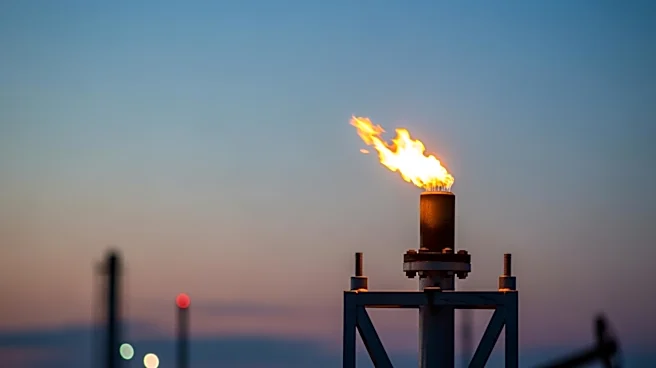
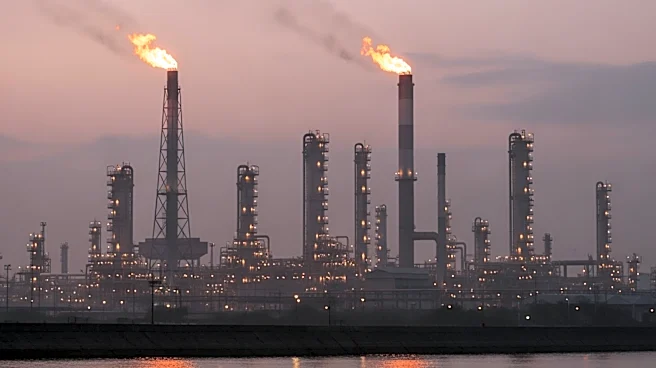
Routine flaring, which involves burning off excess natural gas, releases significant amounts of methane, a potent greenhouse gas, along with other pollutants such as volatile organic compounds and air toxins like benzene and formaldehyde. These emissions contribute to climate change and pose health risks, particularly to communities near oil and gas infrastructure. The decision to extend flaring practices has been met with criticism from environmental groups, including the Sierra Club, which argues that ending flaring is a cost-effective measure to reduce emissions and protect public health.
Why It's Important?
The EPA's decision to allow continued flaring has significant implications for environmental policy and public health. Methane, which is released during flaring, has a warming impact 80 times greater than carbon dioxide over a 20-year period, making it a critical target for emission reduction efforts. The extension of flaring practices could hinder progress towards climate goals and exacerbate health issues for communities living near oil and gas sites. Environmental advocates argue that the technology to eliminate flaring is available and that the delay benefits the fossil fuel industry at the expense of public health and environmental protection. This decision highlights ongoing tensions between regulatory agencies and environmental groups over the pace and scope of climate action.
What's Next?
The EPA's guidance may prompt further legal and political challenges from environmental organizations and state governments seeking stricter emission controls. The decision could also influence future regulatory actions and policies related to fossil fuel emissions and climate change. Stakeholders, including industry representatives and environmental advocates, are likely to engage in continued debate over the balance between economic interests and environmental responsibilities. The outcome of these discussions could shape the trajectory of U.S. climate policy and its alignment with international climate commitments.