



What's Happening?
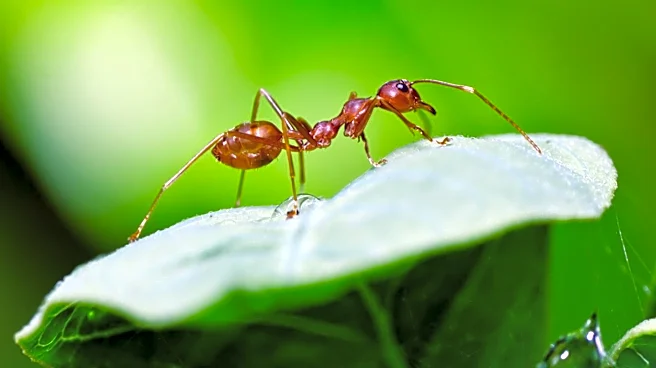
Kaylen Cruz, a Navigating Home short-term fellow with the Guam Department of Agriculture’s Biosecurity Division, has been actively involved in monitoring and managing invasive species on the island. Her primary project focused on tracking little fire
ants (Wasmannia auropunctata) at green waste sites. Cruz utilized peanut butter bait flags to identify ant hotspots, marking GPS locations and entering data into Epicollect. When hotspots were found, she assisted in applying two types of treatments: Tango bait, an insect growth regulator that prevents larvae development and sterilizes queens, and Siesta fire ant bait, which targets the entire colony. Beyond fire ants, Cruz also supported efforts to monitor coconut rhinoceros beetles, stored-product beetles, and fruit flies, which included counting and sexing captured beetles, logging trap data, culturing and applying biological control agents, inspecting traps in warehouses and grocery stores, and identifying insects to track population trends. These efforts are crucial for protecting Guam's ecosystems, agriculture, and economy.
Why It's Important?
The work undertaken by the Guam Department of Agriculture’s Biosecurity Division is vital for safeguarding the island's native plants, wildlife, and agricultural sector. Invasive species, such as the little fire ant, coconut rhinoceros beetle, stored-product beetles, and fruit flies, pose significant threats. These pests can disrupt ecosystems, damage crops, and negatively impact the local economy. The spread of little fire ants, for instance, can be exacerbated by natural events like typhoons, as fallen trees and vegetation provide new avenues for their dispersal. Effective monitoring and treatment programs are essential to prevent widespread ecological and economic damage. The hands-on experience gained by fellows like Kaylen Cruz contributes to building local expertise and resilience in managing these ongoing environmental challenges, ensuring the long-term sustainability of Guam's natural resources and agricultural productivity.
What's Next?
The ongoing monitoring and treatment programs for invasive species in Guam are expected to continue, with regular surveys guiding the application of control measures. The data collected by individuals like Kaylen Cruz will inform future strategies for pest management, allowing the Biosecurity Division to adapt its approaches based on population trends and treatment effectiveness. The Navigating Home fellowship program, which brought Cruz to the division, aims to continue bringing graduates with Guam roots back to the island to build local sustainability and resilience. This suggests a continued investment in developing local talent and expertise in environmental protection and agricultural biosecurity. Future efforts will likely focus on early detection, rapid response, and integrated pest management techniques to mitigate the impact of existing and emerging invasive threats.
Beyond the Headlines
The fight against invasive species in Guam highlights a broader global challenge faced by island ecosystems, which are particularly vulnerable to the introduction of non-native organisms. The reliance on scientific methods, such as GPS mapping and data collection platforms like Epicollect, underscores the increasing role of technology in environmental conservation. The dual-pronged approach to ant control, using both growth regulators and colony-killing baits, demonstrates the complexity of managing established invasive populations. Furthermore, the involvement of fellows like Kaylen Cruz through programs like Navigating Home points to the importance of workforce development in addressing critical environmental issues. This not only provides practical experience for individuals but also strengthens the capacity of local agencies to protect their unique biodiversity and economic interests against persistent invasive threats.