





What's Happening?
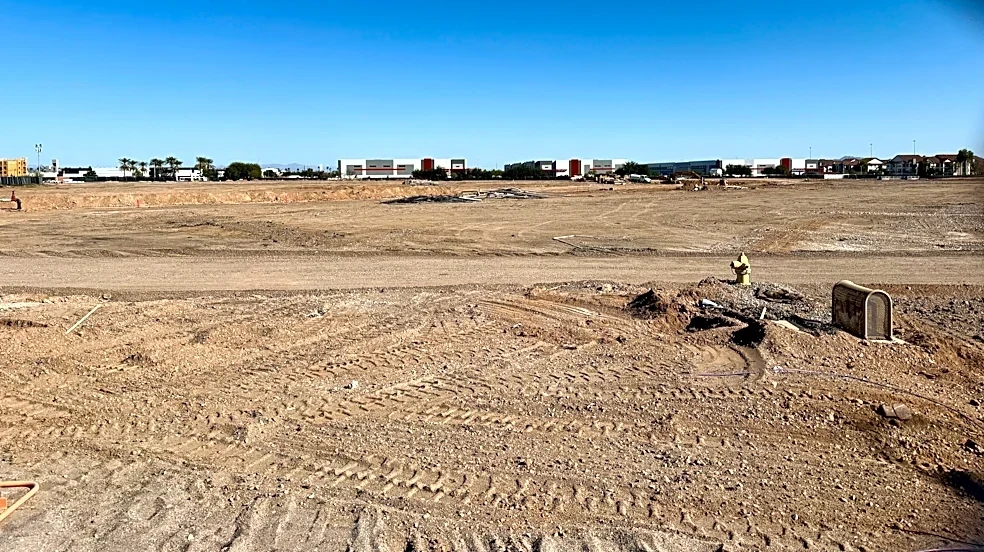
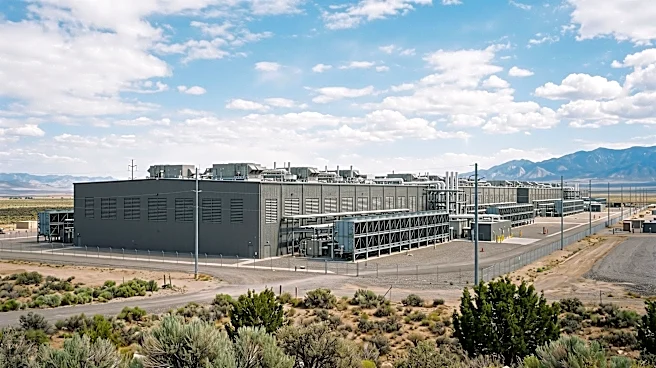
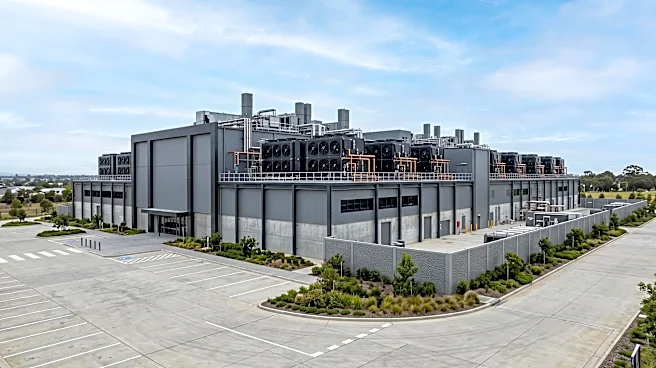
The Montgomery County Council has unanimously voted to implement an 18-month moratorium on all large-scale data center projects. This decision follows concerns raised during the conditional approval process for the proposed Dickerson data center, a 100-acre
facility. Council Vice President Marilyn Balcombe indicated that too many questions regarding the data center's location, operation, and potential community impact remained unanswered. Councilmember Evan Glass highlighted the significant energy demands of these facilities, noting that Montgomery County's utility bills have surged, with some residents reporting increases of up to $800 or $900 per month. The Maryland People's Council attributed half of this increase to data centers in the Northeast. The moratorium is accompanied by a zoning text amendment defining large data centers as those with an aggregate monthly electricity demand of at least 25 megawatts.
Why It's Important?
This moratorium signifies a growing local government response to the environmental and economic impacts of large-scale data centers. The substantial energy consumption of these facilities is directly linked to rising electricity costs for residents, creating a financial burden for households. The concern extends beyond energy, with Councilmember Glass pointing to the risk to the Potomac River, which was recently named the most endangered river in America, partly due to unchecked water use by data centers. The decision reflects a broader national trend where communities and lawmakers, across the political spectrum, are becoming more skeptical of unregulated data center growth. This move by Montgomery County could set a precedent for other regions grappling with similar issues, prompting a reevaluation of how to balance technological advancement with environmental protection and community well-being.
What's Next?
During the 18-month moratorium, Montgomery County will likely work to establish clearer guidelines and regulations for large-scale data centers, addressing concerns about energy consumption, environmental impact, and community integration. This period will allow the council to develop comprehensive agreements and safeguards that were previously lacking. The Data Center Coalition, representing the industry, argues that data centers are not the sole cause of rising energy costs and are willing to pay for necessary infrastructure upgrades. However, local officials and community groups like Sunrise at American University are pushing for more stringent accountability, including taxes and a greater emphasis on renewable energy sources for these facilities. The issue is expected to gain more national attention, with federal and state policies potentially emerging to regulate data center development, especially as the midterms approach.
Beyond the Headlines
The Montgomery County moratorium highlights a critical societal debate about the true cost of the digital age. While data centers are essential for modern technology and AI, their rapid, often unregulated, expansion is revealing significant externalities, including increased energy prices, environmental degradation, and strain on local resources. This situation challenges the narrative of technology as an unmitigated good, forcing communities to confront the trade-offs. The push for data companies to 'bring their own energy' or rely on renewable sources underscores a growing demand for corporate responsibility in the tech sector. This local action could catalyze a broader movement towards more sustainable and equitable development of digital infrastructure, prompting a re-evaluation of how technological growth is managed to protect both the environment and the economic well-being of citizens.