









What's Happening?
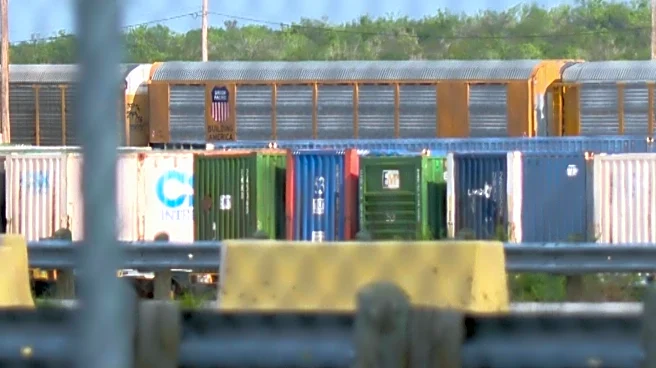
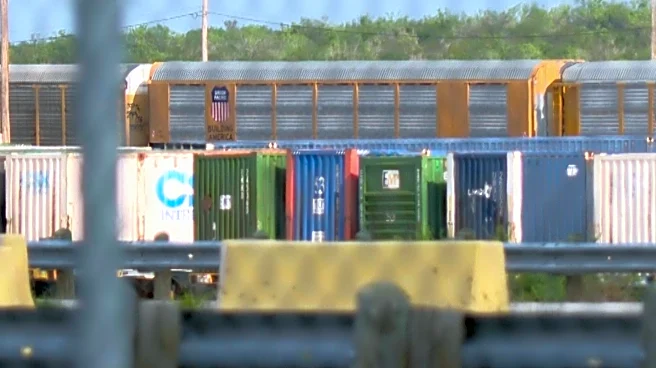
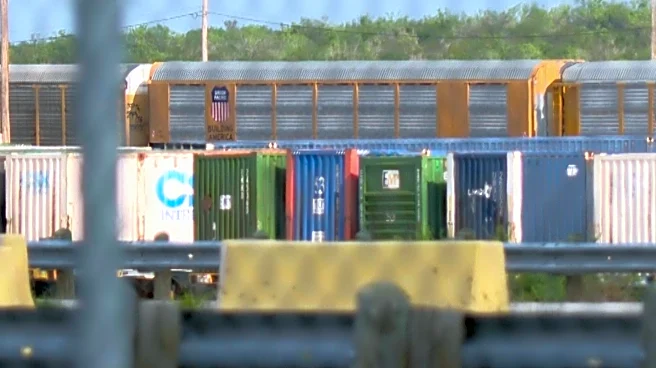
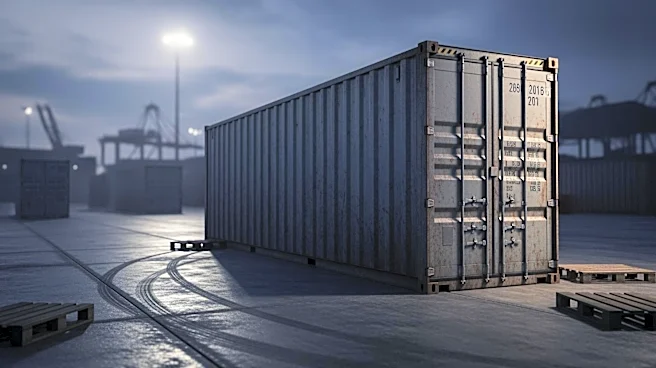
Federal agents are investigating the deaths of at least six individuals found inside a shipping container at a Union Pacific rail yard near the U.S.-Mexico border in Laredo, Texas. The incident is being treated as a potential human smuggling event. The bodies
were discovered by a Union Pacific employee, and a seventh body was found near railroad tracks outside San Antonio, Texas, which may be connected to the case. Dr. Corinne Stern, the Webb County medical examiner, has conducted autopsies and determined that a 29-year-old Mexican woman died of hyperthermia, or heatstroke. The other victims are also believed to have died from heatstroke, but further autopsies are pending. Identification cards and cellphones found at the scene suggest the deceased may be from Mexico and Honduras. Homeland Security Investigations, along with local law enforcement, is actively investigating the case.
Why It's Important?
This tragic event highlights the ongoing challenges and dangers associated with human smuggling along the U.S.-Mexico border. The deaths underscore the perilous conditions faced by migrants attempting to enter the United States through illegal means. The incident also raises concerns about the effectiveness of current border security measures and the need for improved strategies to prevent such tragedies. The involvement of Union Pacific and the use of trains for smuggling activities point to the complexities of monitoring and securing vast transportation networks. This case may prompt further scrutiny and potential policy changes regarding border security and immigration enforcement.
What's Next?
As the investigation continues, authorities will likely focus on identifying the individuals responsible for this smuggling attempt and preventing future incidents. The case may lead to increased collaboration between U.S. and Mexican authorities to address cross-border smuggling operations. Additionally, there may be calls for enhanced security measures and technology to detect and deter smuggling activities on trains and other transportation modes. The findings of this investigation could influence future immigration policies and enforcement strategies.