








What's Happening?
The University of Nebraska Extension has initiated a project titled 'Building Resilience Through Preparedness: Empowering Young Farmers and Ranchers to Thrive Amid Natural Disasters.' This initiative, supported by a Development Grant from the Extension Disaster Education
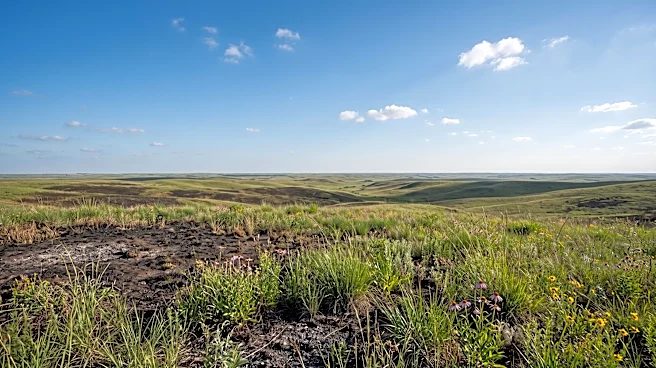
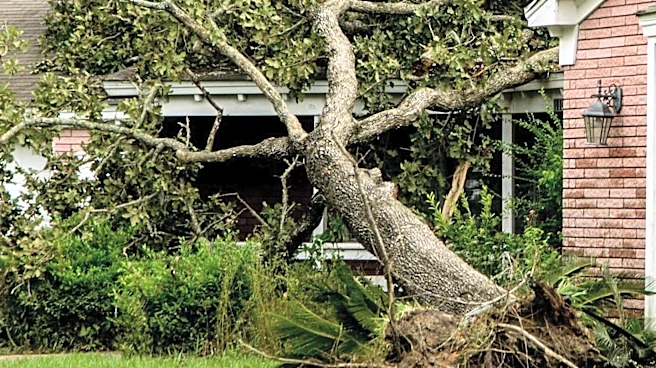
Network (EDEN), aims to equip young agricultural producers in Nebraska with practical tools and educational resources to prepare for natural disasters such as floods, fires, and tornadoes. The project has developed specific educational presentations for each hazard, alongside a comprehensive Disaster Preparation Guide. These resources were initially integrated into Nebraska Extension’s tractor and equipment safety certification programming, reaching 60 young participants. As part of this program, participants completed emergency contact information, translating preparedness education into immediate, practical action. The project also includes pre- and post-program assessments to measure the effectiveness of the materials and improve participant knowledge.
Why It's Important?
This project is crucial for the U.S. agricultural sector, particularly in regions prone to natural disasters like Nebraska. Agriculture is highly vulnerable to extreme weather events, and a single disaster can devastate a family farm, a business, and an entire community. By focusing on young farmers and ranchers, the initiative builds long-term resilience within the agricultural workforce, ensuring that future generations are better equipped to mitigate risks and recover more quickly from emergencies. The proactive approach of integrating disaster preparedness into existing educational programs, such as tractor safety certification, makes this vital information accessible and actionable for producers. This not only safeguards individual livelihoods but also contributes to the stability of the broader agricultural economy and food supply chain, reducing the need for extensive post-disaster aid and accelerating recovery efforts.
What's Next?
The educational materials developed through this project are designed for continued use in various Extension programming, including producer meetings and webinars, and will be made available to Nebraska Extension professionals for ongoing disaster preparedness education. The collaborative approach, which involved expertise from the University of Nebraska Extension and safety professionals from the University of Nebraska Medical Center, has created opportunities for broader dissemination. Resources have already been shared with Nebraska’s EDEN network, and Nebraska Extension’s Weather Ready Farms program has expressed interest in incorporating these materials. This model can also be adapted for use in other states, allowing Extension professionals nationwide to prepare agricultural producers for the specific natural hazards relevant to their communities, thereby expanding the reach and impact of this preparedness initiative.
Beyond the Headlines
Beyond the immediate benefits of disaster preparedness, this project highlights a deeper shift towards integrating resilience planning into routine agricultural management. It underscores the recognition that climate change and increasing frequency of extreme weather events necessitate a proactive, rather than reactive, approach to farming. The focus on young farmers and ranchers also addresses the generational transfer of knowledge and practices, embedding resilience as a core component of modern agriculture. This initiative could serve as a blueprint for other industries and regions facing similar environmental challenges, promoting a culture of preparedness that extends beyond individual farms to strengthen entire communities and regional economies against the unpredictable impacts of natural disasters. It also emphasizes the critical role of educational institutions and collaborative networks in fostering community resilience.