





What's Happening?
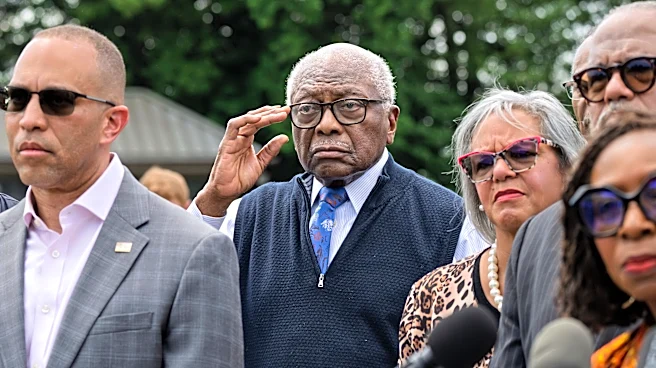
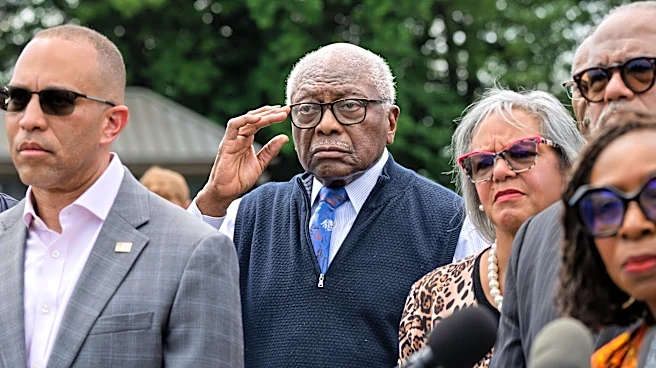
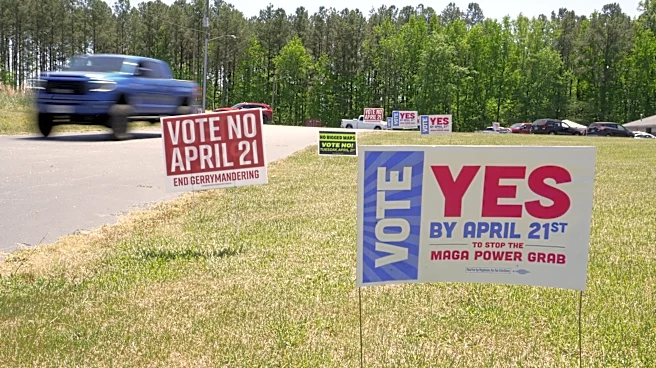
The Congressional Black Caucus has issued a call to major U.S. corporations to oppose redistricting efforts led by Republican states that aim to eliminate majority-Black U.S. House districts. In a letter sent to over 250 companies, the caucus emphasized
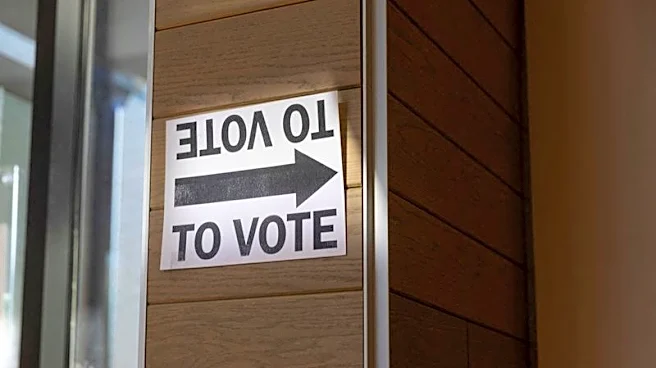
the importance of standing against what they describe as coordinated efforts to silence Black voices at the ballot box. This move comes in response to recent actions by several states to redraw legislative maps in ways that could dilute Black political representation, following a U.S. Supreme Court ruling that weakened a key provision of the Voting Rights Act. The caucus's letter also highlights the frustration with corporations that have not followed through on their 2020 pledges to support racial equity and diversify their workforces.
Why It's Important?
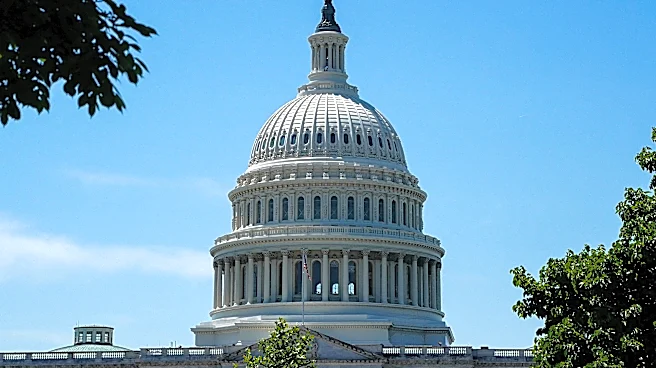
This development is significant as it underscores the ongoing struggle for racial equity and political representation in the U.S. The Congressional Black Caucus's call to action places pressure on corporations to take a public stance on voting rights and racial justice, potentially influencing their political contributions and public policies. The outcome of this appeal could impact the political landscape, particularly in states where redistricting could alter the balance of power. Corporations that choose to support the caucus's stance may face backlash from political entities but could also strengthen their reputation among consumers advocating for social justice.
What's Next?
The response from corporations to the Congressional Black Caucus's letter remains to be seen. Companies are being urged to publicly condemn the redistricting plans and engage in discussions with the caucus about their role in protecting voting rights. The caucus is also calling for transparency regarding political donations to Republican politicians in states pursuing redistricting. The potential for mass protests and the need for federal legislation to counteract these redistricting efforts are also on the horizon, contingent on the political climate and the actions of the current administration.