
What's Happening?
Homeowners across the United States are experiencing significant increases in insurance premiums, with policies becoming harder to maintain as insurers drop customers at higher rates. According to a report
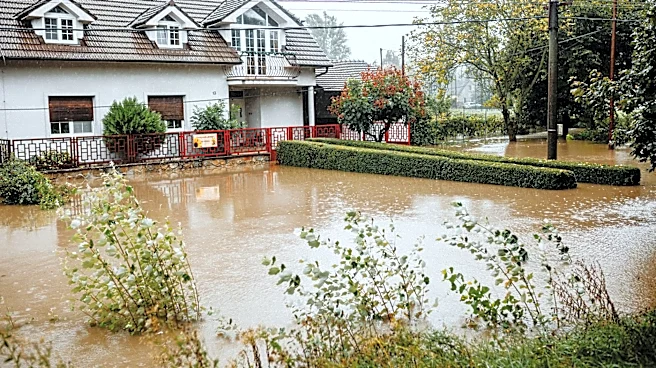
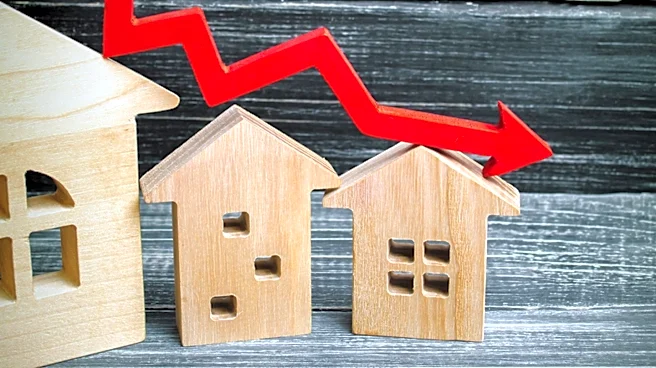
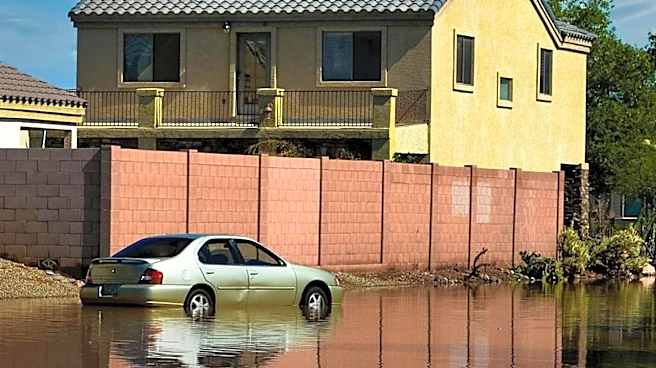
by the National Association of Insurance Commissioners (NAIC), average premiums for homeowners insurance have risen faster than inflation from 2018 to 2024, with increases of 18% in the Northeast, 25% in the Midwest, 27% in the Southeast, and 43% in the West. The report attributes these increases to climate change, rising home rebuilding costs, and other factors that have heightened financial risks for insurers. As a result, insurers are passing these costs onto consumers, exacerbating the affordability crisis in the housing market. The Bureau of Labor Statistics' producer price index indicates a further 7% rise in premiums since 2025. The NAIC report also highlights a trend of insurers not renewing policies, with nonrenewal rates increasing significantly across the country.
Why It's Important?
The rising cost of homeowners insurance is a critical issue as it affects the affordability of homeownership, particularly for low-income households. As insurance costs rise, the ability of individuals to purchase and maintain homes diminishes, potentially leading to a decrease in homeownership rates. This trend could have a cascading effect on the U.S. economy, as fewer people buying homes could slow economic growth. Additionally, the increased financial burden on homeowners may lead to more individuals opting out of insurance coverage, leaving them vulnerable to financial ruin in the event of natural disasters. The report underscores the impact of climate change on the insurance industry, as more frequent and severe weather events increase the likelihood and cost of insurance claims.
What's Next?
The insurance industry and policymakers may need to explore solutions to mitigate the impact of rising premiums on consumers. This could include regulatory changes to stabilize the insurance market or initiatives to address the root causes of increased claims, such as climate change mitigation efforts. Additionally, there may be a push for more affordable insurance options or government assistance programs to help low-income homeowners maintain coverage. The ongoing dialogue between insurers, regulators, and consumers will be crucial in finding sustainable solutions to this growing problem.