
What's Happening?
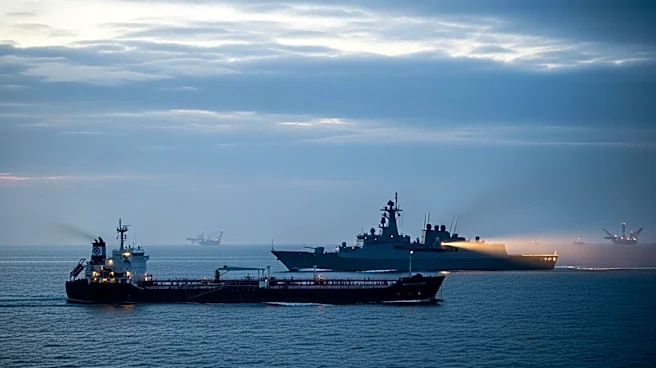
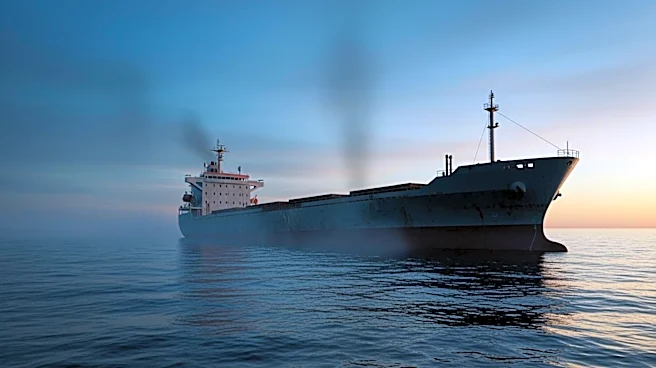
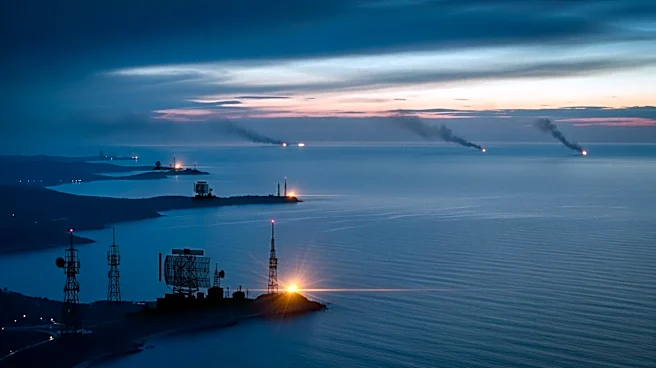
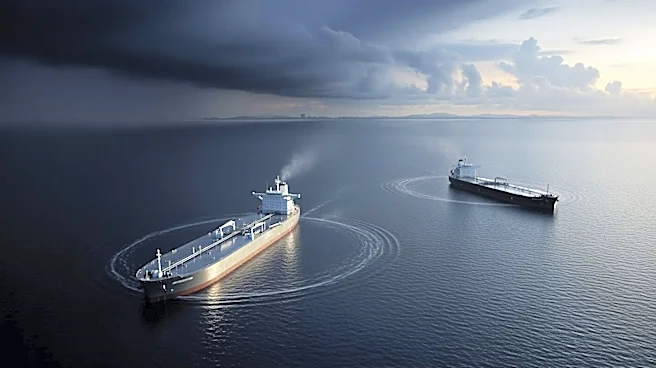
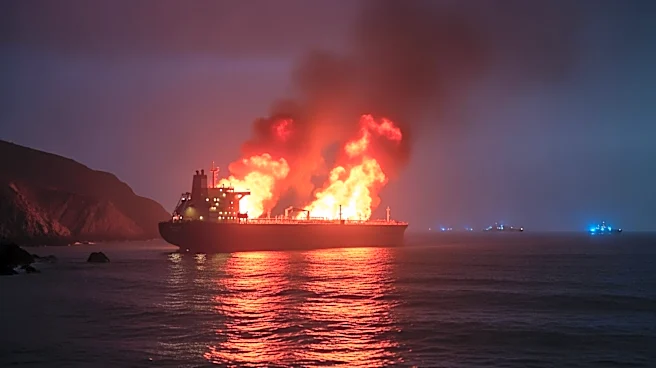
The Iranian-flagged tanker Sevda, part of the so-called 'shadow fleet,' was reported to be on fire near Bandar-e Jask, Iran. Satellite imagery from May 9 shows the vessel, sanctioned by the U.S. Treasury's
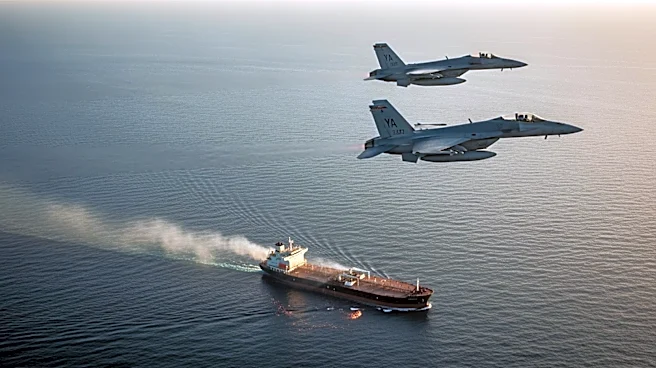
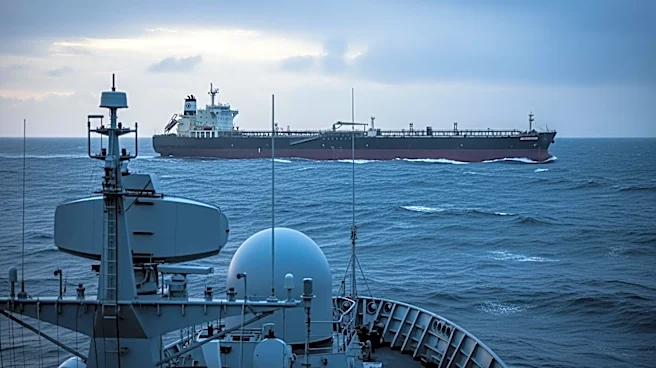
Office of Foreign Assets Control since 2012, emitting smoke and heat, though it remains afloat. The incident follows U.S. Navy strikes on May 6 and May 8, where F/A-18 Super Hornets targeted the Sevda and two other Iranian tankers with cannon fire and precision-guided munitions. These actions aimed to disable the tankers' propulsion and steering systems without sinking them. The Sevda, built in 1999, has been operating with its AIS system off, making trips to China. The strikes are part of broader U.S. efforts to curb Iran's sanctioned oil trade.
Why It's Important?
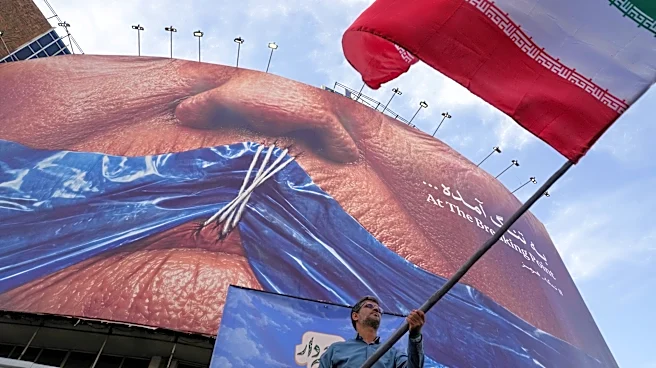
This development underscores ongoing tensions between the U.S. and Iran, particularly concerning Iran's oil exports, which are subject to international sanctions. The U.S. military's actions reflect a strategic effort to enforce these sanctions by targeting vessels involved in the illicit oil trade. The incident could escalate maritime security concerns in the region, affecting global oil markets and shipping routes. It highlights the geopolitical complexities of enforcing sanctions and the potential for military confrontations. The situation also raises questions about the effectiveness and risks of using military force to achieve economic and diplomatic objectives.
What's Next?
The immediate aftermath may involve increased military presence and surveillance in the region to prevent further incidents. Iran might respond with diplomatic protests or military maneuvers, potentially heightening regional tensions. The international community, particularly countries reliant on Middle Eastern oil, will likely monitor the situation closely. Further U.S. actions could involve diplomatic efforts to strengthen sanctions enforcement or additional military operations if deemed necessary. The incident may also prompt discussions on maritime security and the legal implications of targeting commercial vessels.
Beyond the Headlines
The incident highlights the ethical and legal challenges of using military force in economic sanctions enforcement. It raises questions about the balance between national security interests and international maritime law. The use of military force against commercial vessels could set a precedent, influencing future international relations and conflict resolution strategies. Additionally, the situation may impact Iran's domestic politics, as the government navigates the economic and diplomatic fallout from increased U.S. pressure.