





What's Happening?
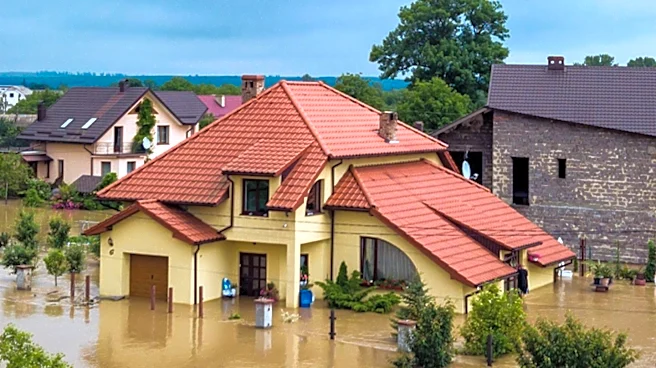
This summer has been marked by a series of compounding disasters, including record heat waves, flash floods, and wildfires, which have been exacerbated by climate change. Climate scientists warn that these events are a preview of the increasing frequency
and intensity of extreme weather conditions if fossil fuel emissions are not drastically reduced. The United States has experienced unprecedented heat, with temperatures reaching record highs in typically cooler states. Wildfire smoke has affected air quality across major cities, and flash floods have caused significant damage in regions like Texas. These events underscore the immediate impacts of climate change on communities and ecosystems.
Why It's Important?
The compounding disasters of this summer serve as a stark reminder of the urgent need for climate action. The increasing frequency and severity of extreme weather events pose significant risks to public health, infrastructure, and the economy. Communities across the U.S. are facing challenges in adapting to these conditions, highlighting the need for comprehensive climate policies and resilience planning. The situation also emphasizes the importance of reducing carbon emissions to mitigate future climate impacts. As public awareness of climate change grows, there may be increased pressure on policymakers to implement effective solutions.
What's Next?
In response to the ongoing climate challenges, there may be a push for stronger climate policies and initiatives aimed at reducing emissions and enhancing resilience. Scientists and environmental advocates are likely to continue raising awareness about the consequences of inaction. The summer's events could influence public opinion and potentially lead to greater support for climate action. However, political and economic factors may affect the pace and scope of policy changes. Ongoing research and monitoring will be crucial in understanding and addressing the complex dynamics of climate change.