





What's Happening?
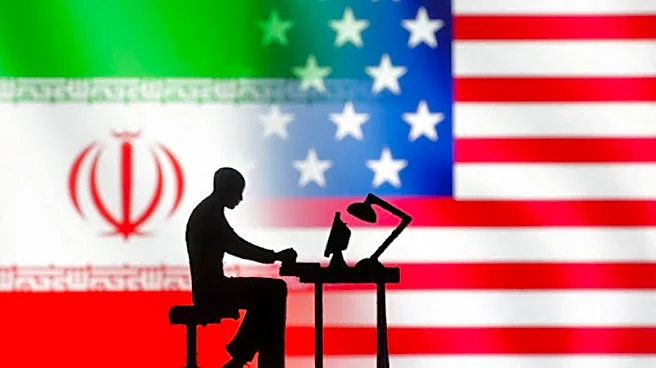
Several critical infrastructure organizations in the United States have been disrupted by cyberattacks linked to Iranian threat actors. According to a joint advisory from federal agencies including the FBI, CISA, NSA, EPA, DOE, and United States Cyber
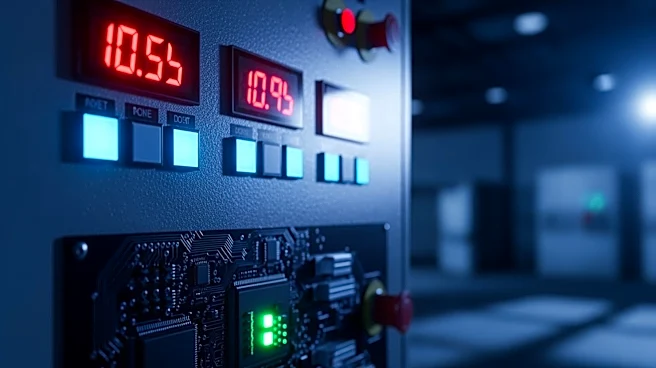
Command, these attacks have targeted operational technology (OT) devices across multiple sectors such as government services, water and wastewater systems, and energy sectors. The attackers have focused on internet-exposed programmable logic controllers (PLCs), particularly those manufactured by Rockwell Automation/Allen-Bradley. The advisory warns that the attacks have led to disruptions through malicious interactions with project files and manipulation of data on human machine interface (HMI) and supervisory control and data acquisition (SCADA) displays.
Why It's Important?
The significance of these attacks lies in their potential to disrupt essential services and infrastructure in the United States. By targeting critical sectors, the Iranian-linked hackers pose a threat to national security and public safety. The attacks highlight vulnerabilities in the nation's infrastructure, particularly in the use of PLCs and other OT devices. The advisory urges organizations to review tactics, techniques, and procedures (TTPs) to mitigate risks. The involvement of Iranian groups like CyberAv3ngers, known for previous attacks on US infrastructure, underscores the ongoing cyber threat from nation-state actors. This situation necessitates heightened cybersecurity measures and vigilance across affected sectors.
What's Next?
Federal agencies are recommending that US organizations urgently assess their OT environments for vulnerabilities and apply recommended mitigations to reduce the risk of compromise. The advisory suggests that organizations assume they may be targeted and proactively secure their systems. The ongoing threat from Iranian-linked groups like CyberAv3ngers indicates that further attacks could occur, necessitating continuous monitoring and response efforts. The situation may also prompt policy discussions on improving cybersecurity infrastructure and collaboration between government and private sectors to protect critical infrastructure.