
What's Happening?
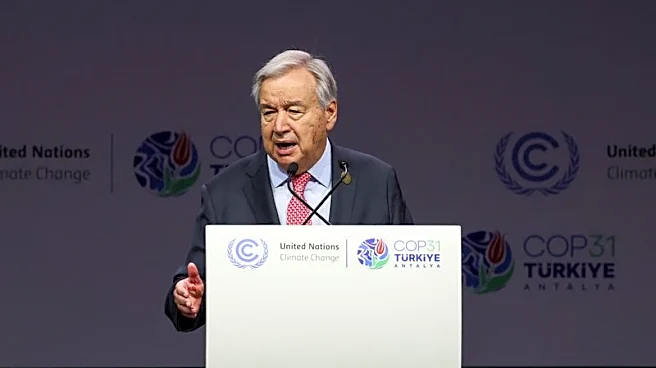
Emine Erdoğan, Türkiye's first lady, inaugurated the Zero Waste Museum at the 31st United Nations Climate Change Conference (COP31) in Antalya. The museum, established by the Zero Waste Foundation, highlights the nine-year development and achievements
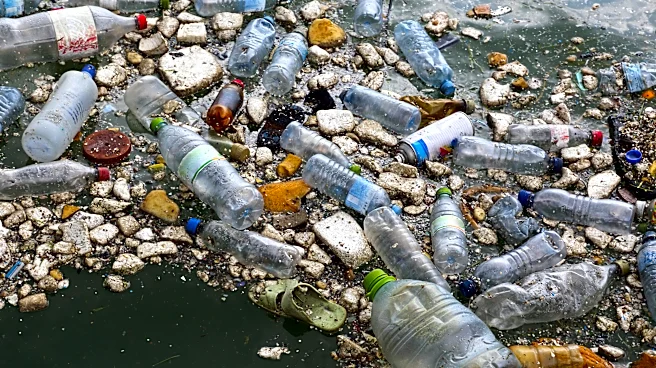
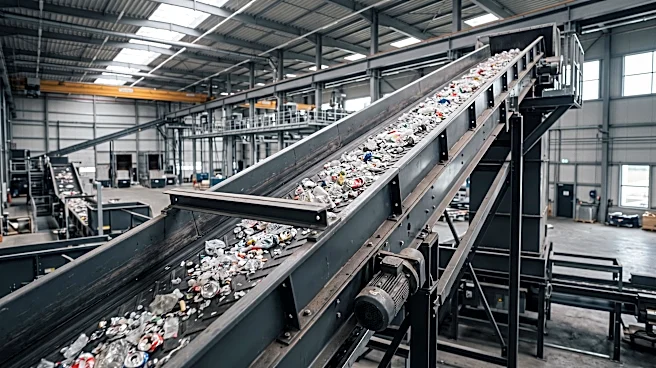
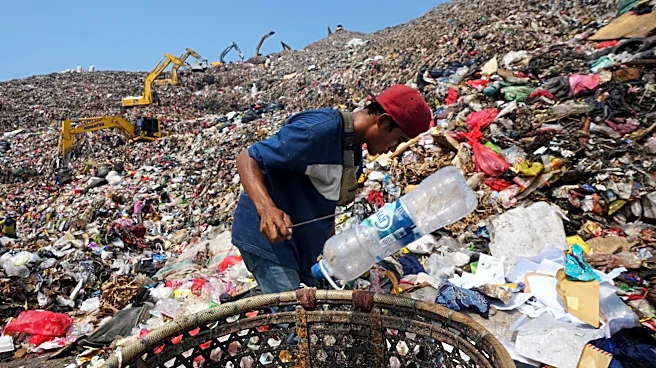
of Türkiye's Zero Waste Project, launched in 2017 under her leadership. The initiative promotes waste prevention, recycling, efficient resource use, and sustainable consumption habits, aiming to reduce environmental pressure by encouraging individuals, institutions, and businesses to rethink material production, consumption, and disposal. Erdoğan, who is also the honorary president of the Zero Waste Foundation and chair of the U.N. High-Level Advisory Board on Zero Waste, expressed hope that the museum would inspire new zero-waste practices globally. She also hosted a High-Level Meeting of Leaders' Spouses for the Global Zero Waste Alliance, outlining five priority areas for cooperation: zero waste and the circular economy, plastic and packaging waste, zero waste zones, food and organic waste, and education and youth. During a leaders' roundtable, she emphasized the projection that global municipal solid waste could double to approximately 4 billion metric tons by 2050, advocating for a reduction of at least 50% in this projected increase by 2035.
Why It's Important?
The showcasing of Türkiye's Zero Waste Project at an international forum like COP31 underscores the growing global recognition of waste management as a critical component of environmental sustainability. For the U.S. and other nations, this initiative provides a model for integrating circular economy principles into national policy and public awareness campaigns. The emphasis on reducing municipal solid waste by 50% by 2035 highlights an ambitious target that could influence waste reduction strategies worldwide, potentially leading to new international collaborations and shared best practices. The focus on specific areas like plastic waste, food waste, and education could also spur innovation in waste management technologies and sustainable consumption patterns, impacting industries from manufacturing to retail. Furthermore, the involvement of leaders' spouses and high-level advisory boards elevates the issue of waste to a diplomatic level, encouraging broader political commitment and resource allocation towards zero-waste goals.
What's Next?
Following the engagements at COP31, the Zero Waste Project is expected to continue its international outreach, potentially inspiring other countries to adopt similar comprehensive waste management strategies. The outlined priority areas for cooperation, including plastic and packaging waste, food and organic waste, and education, suggest future international dialogues and collaborative projects. The call for a 50% reduction in projected global municipal solid waste by 2035 sets a clear, measurable goal that could drive policy changes and investment in waste infrastructure and sustainable practices globally. The U.N. High-Level Advisory Board on Zero Waste, chaired by Emine Erdoğan, will likely continue to advocate for these targets and facilitate knowledge exchange among nations. The ongoing efforts to promote sustainable consumption habits and efficient resource use could lead to a shift in consumer behavior and corporate responsibility, with potential implications for global supply chains and product design.
Beyond the Headlines
The Zero Waste Project's presentation at COP31 extends beyond mere waste management, touching upon deeper ethical and cultural dimensions of consumption and resource stewardship. The initiative's focus on educating individuals and fostering sustainable habits reflects a broader societal shift towards environmental consciousness. By demonstrating how waste reduction and resource efficiency can be integrated into everyday life, the project challenges the prevailing linear economic model of 'take-make-dispose.' The use of interactive exhibits and personal commitment installations in the Zero Waste Museum highlights the importance of individual agency and collective responsibility in addressing environmental challenges. This approach could foster a cultural transformation where waste is no longer seen as an inevitable byproduct but as a valuable resource, leading to a more circular economy and a re-evaluation of our relationship with natural resources. The project also implicitly addresses issues of social equity, as sustainable waste management often disproportionately benefits marginalized communities by reducing pollution and improving public health.