





What's Happening?
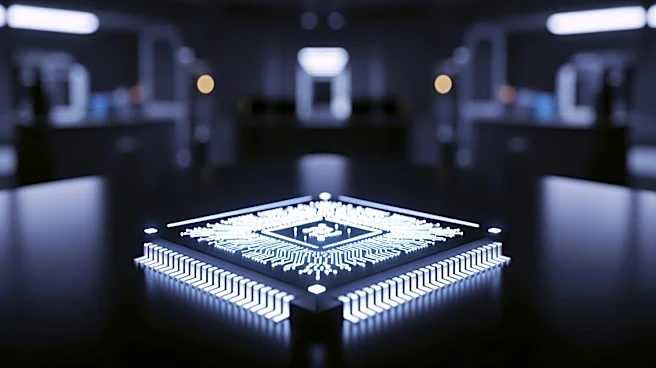
NASA, in collaboration with Microchip Technology Inc., is testing a new High Performance Spaceflight Computing processor designed to significantly boost the computational power of spacecraft. This next-generation processor, developed through a partnership
with NASA's Jet Propulsion Laboratory (JPL), aims to withstand the harsh conditions of space while providing up to 100 times the computational capacity of current spaceflight computers. The processor is being subjected to rigorous tests, including radiation, thermal, and shock evaluations, to ensure its durability in space environments. The technology is expected to enable autonomous spacecraft to use artificial intelligence for real-time responses to complex situations, thereby accelerating scientific discoveries and supporting future human missions to the Moon and Mars.
Why It's Important?
The development of this advanced processor is crucial for the future of space exploration. By enhancing the computational capabilities of spacecraft, NASA can conduct more complex missions with greater autonomy, reducing the need for human intervention. This advancement is particularly significant for deep space missions where communication delays can hinder real-time decision-making. The processor's ability to handle large volumes of data efficiently will facilitate faster scientific discoveries and improve mission outcomes. Additionally, the technology's potential adaptation for Earth-based industries, such as aviation and automotive manufacturing, highlights its broader impact beyond space exploration, offering transformative tools for various fields.
What's Next?
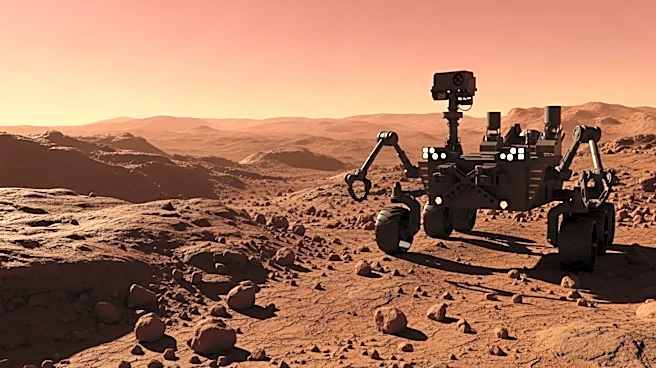
Following successful testing, NASA plans to incorporate the processor into the computing hardware of various missions, including Earth orbiters, planetary rovers, and crewed habitats. The ongoing tests at JPL are expected to continue for several months, with promising results already indicating the processor's performance at 500 times that of current radiation-hardened chips. Once certified for spaceflight, the processor will play a pivotal role in NASA's upcoming missions, supporting both robotic and human exploration efforts. The collaboration with Microchip Technology Inc. also suggests potential future developments and enhancements in spaceflight computing technology.