



What's Happening?
Massachusetts is set to import renewable energy from Nova Scotia through a new agreement aimed at expanding the state's renewable energy portfolio. This collaboration comes as Massachusetts seeks to address its growing electrical power needs and counter
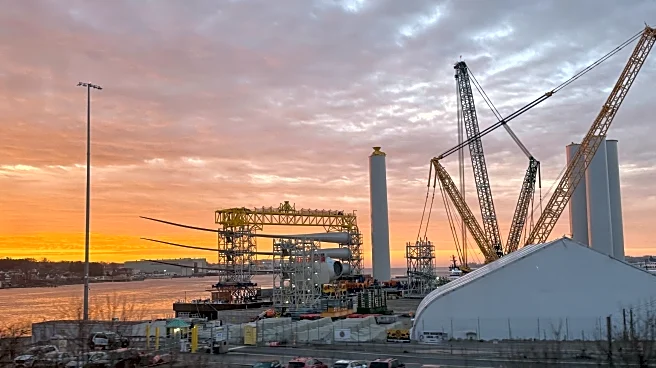
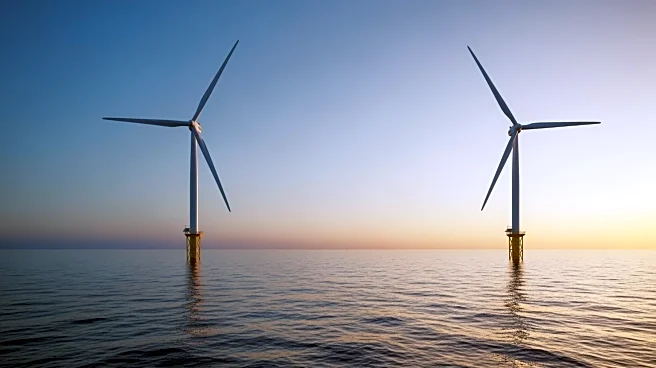
the opposition from the Trump administration regarding offshore wind energy development. The state has been a strong advocate for offshore wind energy, with significant projects like Vineyard Wind 1 nearing completion. Massachusetts Attorney General Andrea Joy Campbell has actively supported legal actions against the Trump administration's efforts to halt offshore wind development. The agreement with Nova Scotia, signed by Massachusetts Governor Maura Healey and Nova Scotia Premier Tim Houston, is expected to bolster confidence among developers and investors in the offshore wind industry.
Why It's Important?
The agreement between Massachusetts and Nova Scotia represents a strategic move to secure a stable supply of renewable energy, which is crucial for meeting the state's increasing power demands. This partnership not only supports Massachusetts' commitment to renewable energy but also positions Nova Scotia as a key player in the North American offshore wind market. By facilitating the development of Canada's first offshore wind projects, the agreement could lead to significant economic and environmental benefits for both regions. Additionally, it highlights the ongoing tensions between state-level initiatives and federal policies under the Trump administration, emphasizing the importance of state-led efforts in advancing renewable energy goals.
What's Next?
The next steps involve the implementation of the memorandum of understanding, with Nova Scotia advancing its Wind West project to build the necessary transmission infrastructure. The call for bids to license offshore wind projects in Nova Scotia is expected soon, which will further solidify the market for clean energy. As these projects progress, Massachusetts will continue to monitor and support the development of its renewable energy infrastructure, potentially leading to more collaborations with other regions. The outcome of these efforts could influence future energy policies and the broader adoption of offshore wind energy in the United States.