




What's Happening?
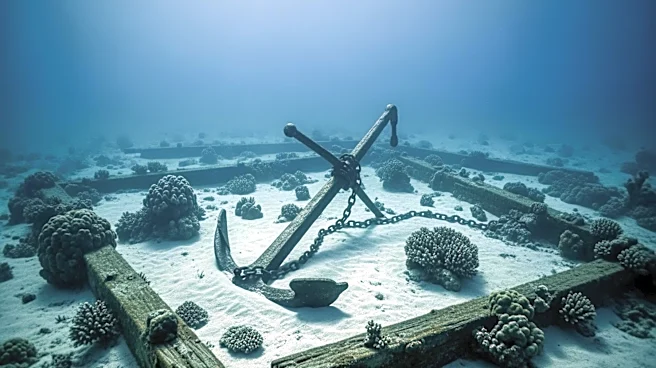
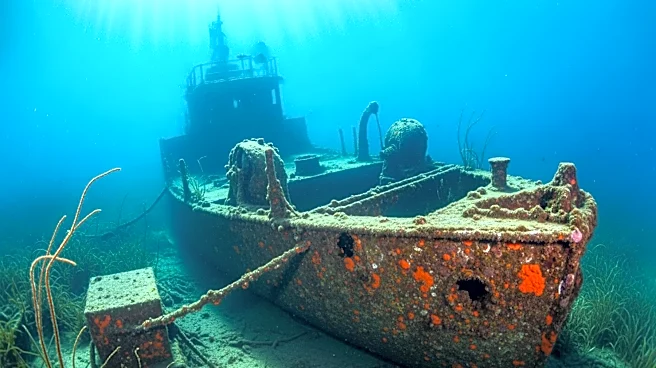
Researchers from Spain's University of Cádiz and the University of Granada have identified over 150 underwater archaeological sites, primarily shipwrecks, in the Bay of Gibraltar. This discovery is part of Project Herakles, a six-year initiative aimed
at exploring the maritime history of this strategic waterway connecting the Atlantic Ocean and the Mediterranean Sea. The shipwrecks span from the 5th century B.C. to World War II, including Roman, medieval, and more recent vessels. The project has significantly expanded the known underwater sites in the area from four to over 150, using a combination of historical research and advanced marine scanning technology.
Why It's Important?
The findings from Project Herakles provide a comprehensive record of maritime history, offering insights into ancient trade routes and naval activities. This discovery is crucial for historical and archaeological research, as it reveals a continuous record of commercial and military movements. However, many of these shipwrecks are at risk due to human activities and environmental threats, such as invasive algae. Protecting these sites is essential for preserving cultural heritage and understanding historical maritime practices. The project aims to make this heritage accessible through non-intrusive documentation and virtual reality experiences.
What's Next?
The researchers plan to create an underwater park and virtual reality experiences to allow the public to explore these shipwrecks without causing further damage. This initiative aims to raise awareness and appreciation for underwater cultural heritage. The team emphasizes the importance of non-intrusive documentation to preserve these sites, following UNESCO principles. Continued efforts will focus on protecting these shipwrecks from environmental and human threats, ensuring they remain a valuable resource for future generations.
Beyond the Headlines
The discovery highlights the ethical responsibility of preserving underwater cultural heritage. The shipwrecks serve as a 'submerged historical archive,' offering a unique perspective on global history. The project underscores the need for international cooperation in protecting these sites from looting and environmental degradation. By making these sites accessible through technology, the project aims to foster a deeper connection between society and its maritime past, promoting cultural understanding and historical education.