

What's Happening?
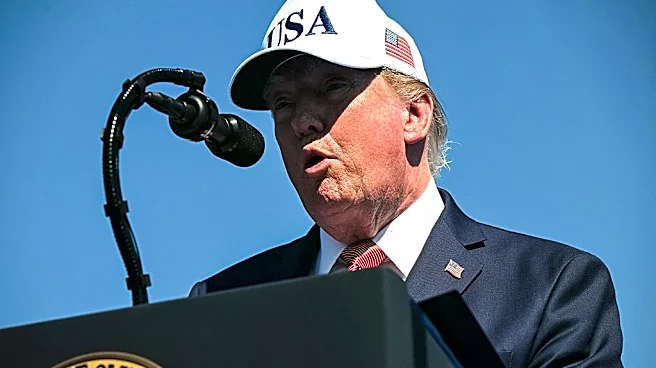
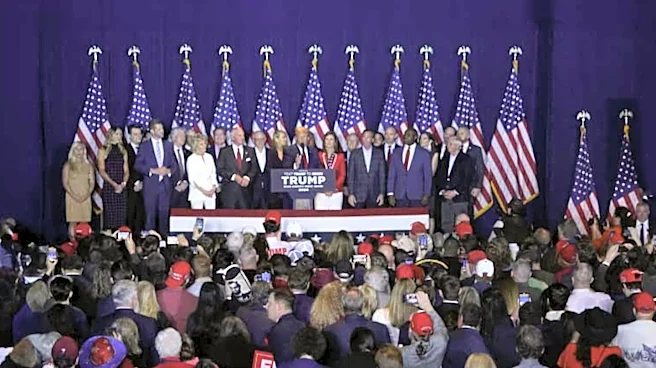
President Donald Trump has successfully pushed for the creation of the Republican Party's first-ever midterm convention, which will take place in Dallas over two days. This event, which President Trump insisted on despite initial skepticism from House
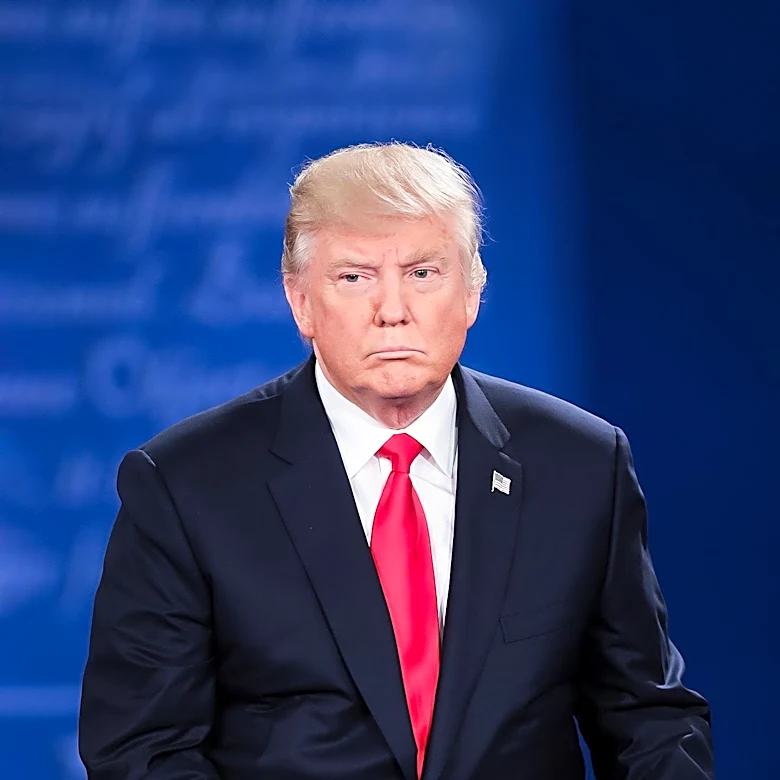
Speaker Mike Johnson, is designed to rally his supporters and boost enthusiasm for the upcoming midterm elections. President Trump will be a prominent figure, taking the stage on both nights to deliver speeches. The convention will feature a series of speeches, candidate showcases, and appeals to voters, aiming to channel the energy typically seen in quadrennial presidential nominating conventions. Republicans hope this event will energize the party and increase turnout among President Trump's voter base.
Why It's Important?
The initiation of a Republican midterm convention by President Trump signifies a strategic shift in how political parties engage with their base during off-year elections. Midterm elections are historically challenging for the party holding the presidency, often resulting in losses. By creating a convention, President Trump aims to counteract this trend by directly mobilizing his supporters and framing the midterms as a critical moment for his 'America-first' agenda. This move underscores President Trump's continued influence within the Republican Party and his ability to shape its electoral strategies. The convention could serve as a powerful tool for consolidating party messaging, showcasing candidates, and generating media attention, potentially impacting voter turnout and the outcomes of key House and Senate races across the country.
What's Next?
The two-day Republican midterm convention in Dallas will be closely watched for its impact on the upcoming elections. President Trump's speeches will likely set the tone for the party's messaging, emphasizing his policies and rallying his base. The event will also provide a platform for various Republican candidates to gain exposure and connect with voters. The success of this unprecedented convention will be measured by its ability to energize the Republican electorate and translate into tangible electoral gains in November. Political observers will analyze whether this new format effectively boosts turnout and helps Republican candidates in competitive districts. The convention could also establish a new precedent for how political parties approach midterm elections in the future, potentially leading to similar events in subsequent cycles.
Beyond the Headlines
President Trump's insistence on a midterm convention, transforming a non-existent concept into a significant political event, highlights his unique ability to disrupt traditional political norms and reshape campaign strategies. This move reflects a deeper understanding of modern political engagement, where direct appeals to a loyal base, often through large-scale events, can bypass conventional media and party structures. The convention's focus on President Trump's personal involvement and agenda, even in a midterm cycle, suggests a continued personalization of politics, where the leader's brand remains paramount. This could further entrench a 'cult of personality' within the Republican Party, potentially diminishing the autonomy of individual candidates and shifting the focus from local issues to a national, leader-centric narrative. The long-term implications could include a more centralized and top-down approach to party campaigning, with significant resources and attention directed towards events designed to amplify a single figure's message.