







What's Happening?
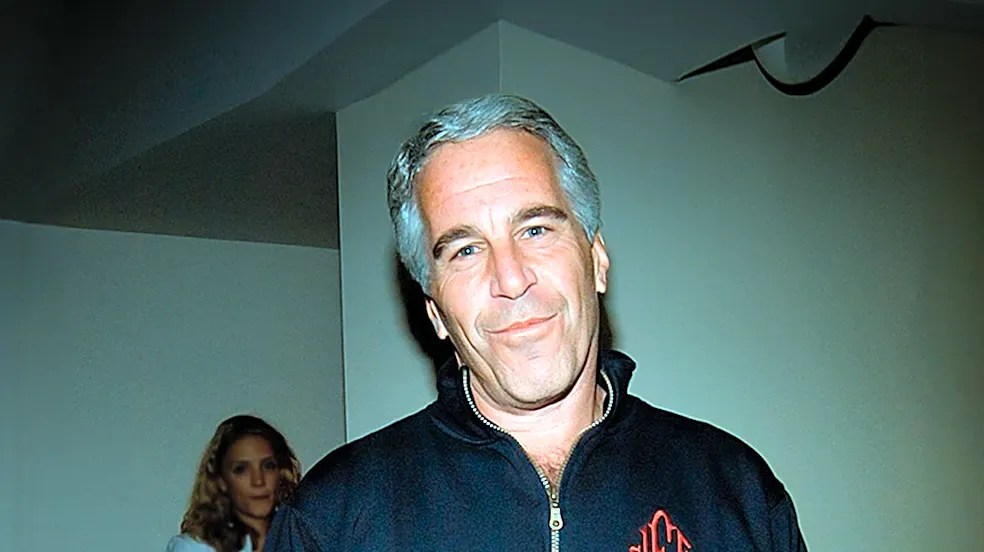
New Mexico has initiated a civil lawsuit to prevent payments from Jeffrey Epstein's estate to his longtime personal attorney, Darren Indyke, and accountant, Richard Kahn. The state's Attorney General, Raul Torrez, announced the legal action, which also
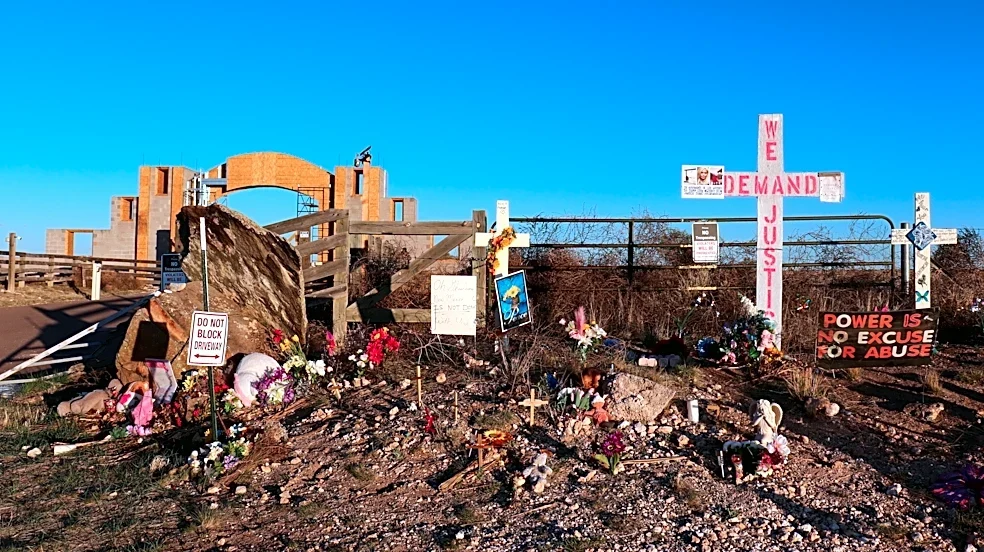
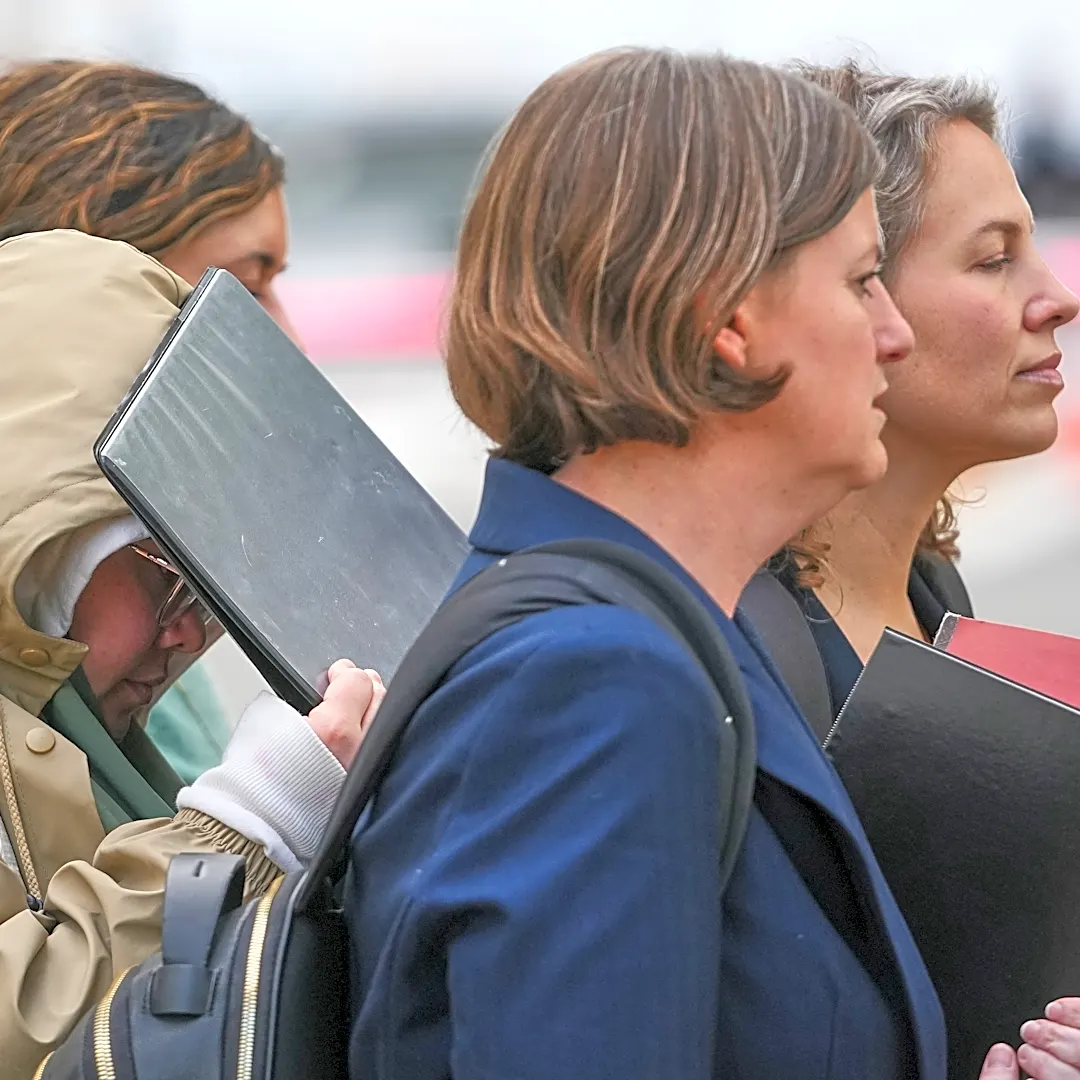
seeks to recover damages for survivors of Epstein's alleged sexual abuse. This lawsuit marks the first law enforcement action directly against Indyke and Kahn. The complaint alleges that Indyke and Kahn facilitated, financed, and concealed Epstein's sex trafficking operation, including activities at his ranch in New Mexico. Both individuals are co-executors of Epstein's estate, valued at $107 million, and are reportedly eligible for bequests of $50 million and $25 million, respectively. Daniel Weiner, a lawyer representing Indyke and Kahn, has denied allegations that his clients knowingly facilitated Epstein's abuse, stating that the crimes occurred in secluded locations when neither was present. The lawsuit follows New Mexico's reopening of an investigation into activities at Epstein's Zorro Ranch in February, where he is accused of abusing women and girls for nearly three decades. The state has also sued the U.S. Department of Justice for access to unredacted files on Epstein, accusing the Trump administration of obstructing its investigation.
Why It's Important?
This lawsuit is significant as it attempts to hold individuals beyond Jeffrey Epstein himself accountable for his alleged crimes, specifically targeting those who managed his finances and legal affairs. It tests the legal system's ability to establish culpability for a network of individuals and financial arrangements that may have enabled and concealed Epstein's operations. If successful, it could set a precedent for pursuing accountability against enablers of such crimes, potentially impacting how estates of alleged criminals are handled and how legal and financial professionals are scrutinized in similar cases. The case also highlights the ongoing efforts by states to independently investigate and seek justice in high-profile cases, even when facing challenges in obtaining federal cooperation. For survivors of Epstein's alleged abuse, this lawsuit represents a crucial step towards preventing those perceived as complicit from profiting from the estate, and potentially securing further compensation for damages. The outcome could influence future legal strategies in cases involving complex criminal enterprises and their financial facilitators.
What's Next?
The lawsuit will proceed through the civil court system in New Mexico, where the state will present its evidence alleging Indyke and Kahn's involvement in facilitating Epstein's sex trafficking. Indyke and Kahn's legal team is expected to continue to deny the allegations and defend their clients' actions. The court will need to determine whether there is sufficient evidence to prove that the lawyer and accountant knowingly aided Epstein's criminal activities. The case may involve extensive discovery, witness testimonies, and legal arguments regarding the extent of their knowledge and involvement. The outcome could result in a court order blocking the payouts from Epstein's estate to Indyke and Kahn, and potentially awarding damages to the survivors. Additionally, the ongoing investigation by New Mexico into activities at Epstein's Zorro Ranch may yield further developments, including potential criminal charges, although none have been filed yet. The state's lawsuit against the U.S. Department of Justice for access to Epstein's files will also continue, which could impact the evidence available for the civil case.
Beyond the Headlines
This case delves into the complex ethical and legal responsibilities of professionals, such as lawyers and accountants, when their clients are involved in illicit activities. It raises questions about the line between providing professional services and becoming an enabler or accomplice to criminal behavior. The lawsuit could prompt a broader re-evaluation of professional conduct standards and the due diligence expected from those managing the financial and legal affairs of high-net-worth individuals. Furthermore, the case underscores the persistent challenges in achieving comprehensive justice for victims of sex trafficking, particularly when the primary perpetrator is deceased. It highlights the ongoing struggle to dismantle the support systems that allow such crimes to flourish and to ensure that those who benefit, directly or indirectly, are held accountable. The public's perception of justice and the legal system's capacity to address systemic issues of abuse and complicity will be significantly influenced by the outcome of this lawsuit.