






What's Happening?
The ongoing conflict with Iran is having a significant impact on the American economy, particularly in terms of rising costs for consumers. According to CBS News, the conflict is affecting various sectors, including transportation and food production.
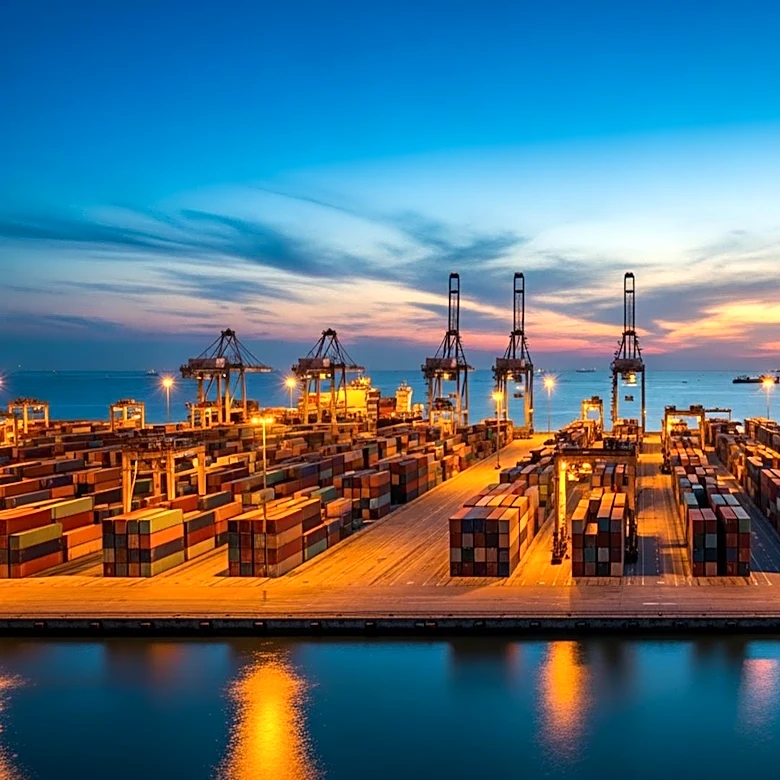
The increased tension has led to disruptions in supply chains and higher prices for goods and services. Jo Ling Kent, a senior business and tech correspondent, reports that these economic pressures are being felt across the country, influencing the cost of living for many Americans.
Why It's Important?
The economic impact of the conflict with Iran is significant as it affects the daily lives of American consumers. Rising costs in transportation and food production can lead to increased prices for essential goods, putting a strain on household budgets. This situation highlights the interconnectedness of global events and domestic economic conditions. Businesses may face challenges in managing supply chain disruptions, which could lead to further price increases or shortages. The broader economic implications could also influence public opinion and policy decisions regarding foreign relations and economic strategies.
What's Next?
As the conflict continues, it is likely that the economic pressures will persist, potentially leading to further price increases. Policymakers may need to consider measures to mitigate the impact on consumers, such as subsidies or price controls. Additionally, businesses may seek alternative supply chain solutions to reduce dependency on affected regions. The situation could also prompt discussions on energy independence and the need for diversified sources of goods and services to enhance economic resilience.