








What's Happening?
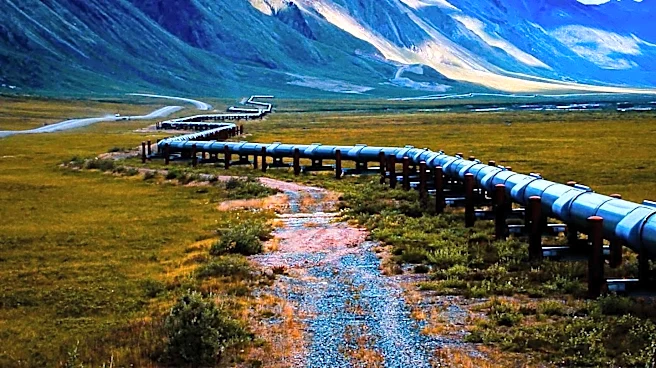
Federal regulators have issued a new pipeline safety order following a September oil spill in Michigan, raising broader concerns about the integrity of pipelines, including the Twin Oaks petroleum pipeline that runs through Hopewell Township. The Pipeline
and Hazardous Materials Safety Administration (PHMSA), part of the U.S. Department of Transportation, regulates interstate hazardous-liquid pipeline safety. The Federal Energy Regulatory Commission (FERC) has a separate role involving the economic regulation of interstate oil pipelines. The recent order identifies similarities between failures involving repair sleeves on two pipelines and suggests that comparable problems could exist elsewhere in Energy Transfer’s pipeline network. The Delaware Riverkeeper Network has renewed its call for the Twin Oaks pipeline to be shut down pending further investigation, citing missing repair records and inspection challenges.
Why It's Important?
The federal safety order and the concerns raised by the Delaware Riverkeeper Network highlight critical issues regarding national infrastructure safety and environmental protection. The potential for widespread integrity issues in pipelines, particularly those with aging repair sleeves, poses significant risks of environmental contamination and public safety hazards. The call for a shutdown of the Twin Oaks pipeline underscores the urgency of these concerns, especially given its route through populated areas and proximity to water sources. This situation also brings to light the distinct but interconnected roles of federal agencies like PHMSA and FERC, and the need for effective coordination with state environmental officials. The economic implications of pipeline shutdowns or extensive repairs could be substantial for energy companies and consumers, while the environmental and health costs of spills are often long-lasting.
What's Next?
Energy Transfer is now required to inventory and evaluate repair sleeves across its hazardous-liquid pipeline system, including Twin Oaks, and develop plans to address potential problems. The company must submit quarterly progress reports to PHMSA, with the first report due by November 1. PHMSA's investigations into the Pennsylvania and Michigan failures are ongoing, and additional corrective measures could be imposed. The Delaware Riverkeeper Network continues to press New Jersey environmental officials for advocacy and public information regarding protective measures. Local land-use discussions in Hopewell Township are also being influenced by these concerns, with calls for comprehensive environmental impact studies for developments near the pipeline. The outcome of these investigations and regulatory actions will determine the future operational status of the Twin Oaks pipeline and potentially impact broader pipeline safety regulations.
Beyond the Headlines
This situation reveals deeper implications concerning the aging infrastructure of the U.S. and the challenges of maintaining safety and environmental standards. The reliance on pipelines for energy transport necessitates robust regulatory oversight and transparent communication with the public. The debate over the Twin Oaks pipeline also touches upon the balance between economic development and environmental protection, particularly in areas where infrastructure projects intersect with residential communities and sensitive ecosystems. The lack of clear communication from state environmental agencies, as noted by the Delaware Riverkeeper Network, highlights potential gaps in inter-agency coordination and public accountability. This ongoing issue could set precedents for how future pipeline projects are evaluated, regulated, and monitored, emphasizing the need for proactive measures rather than reactive responses to incidents.