
What's Happening?
The Royal Institute of British Architects Journal highlights the growing challenges architects face due to climate change, particularly the urban heat island (UHI) effect. As global temperatures rise,
cities are experiencing intensified heat stress, which is exacerbated by materials like asphalt and concrete that absorb heat, and dense urban structures that trap it. The UHI effect is further fueled by anthropogenic heat from transportation and cooling systems. This phenomenon poses significant threats to urban economies, infrastructure, and human health. The International Labour Organization projects that by 2030, over 2% of global working hours could be lost annually due to heat, impacting outdoor workers in construction and agriculture the most. The University of Copenhagen's HEAT-SHIELD project found that temperatures above 30°C can reduce effective working hours by up to 15% in these sectors.
Why It's Important?
The implications of the urban heat island effect are profound for U.S. cities, where similar conditions prevail. As temperatures rise, the economic impact could be severe, with potential losses in labor productivity and increased infrastructure maintenance costs. The UHI effect not only threatens worker productivity but also accelerates the degradation of critical infrastructure like roads and bridges. This could lead to higher costs for cities and taxpayers, as well as increased health risks for urban populations. The need for architects and urban planners to design resilient, heat-proof infrastructure is urgent, as cities must adapt to these changing conditions to maintain economic stability and public health.
What's Next?
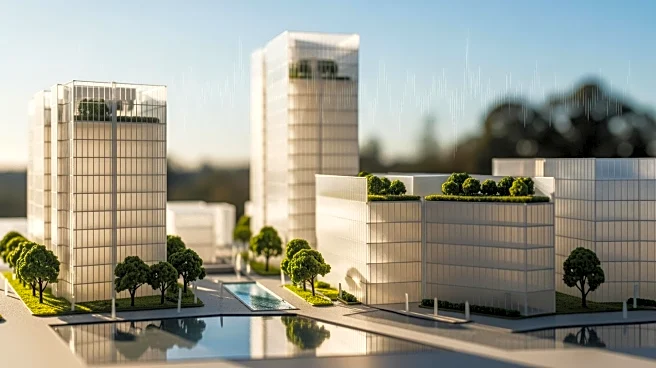
Architects and urban planners are encouraged to incorporate climate resilience into their designs, focusing on materials and structures that mitigate the UHI effect. This includes using reflective materials, increasing green spaces, and designing buildings that enhance airflow. Additionally, cities may need to invest in infrastructure that can withstand higher temperatures and more frequent heatwaves. Policymakers and urban stakeholders must collaborate to implement strategies that reduce heat stress and improve urban liveability. As climate change continues to impact urban environments, proactive measures will be essential to safeguard economic and social well-being.
Beyond the Headlines
The urban heat island effect also raises ethical and social considerations, as vulnerable populations in densely populated areas may face disproportionate health risks. Addressing these challenges requires a holistic approach that considers social equity in urban planning. Furthermore, the shift towards more sustainable urban environments could drive innovation in building materials and design, potentially leading to new economic opportunities in the construction and real estate sectors. Long-term, cities that successfully adapt to these challenges may become more attractive to residents and businesses, fostering economic growth and resilience.