
What's Happening?
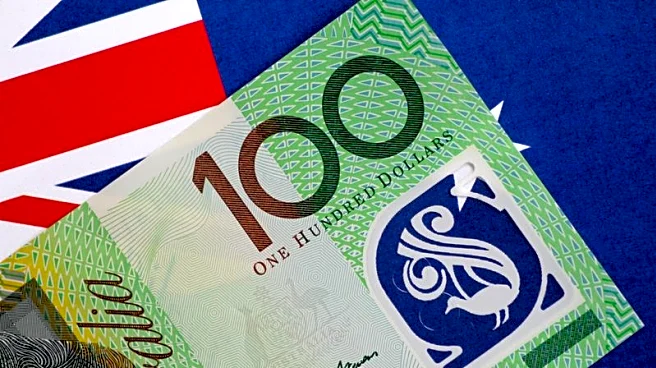
The Reserve Bank of Australia (RBA) has increased its policy rate by 25 basis points to 3.85% as of February 2, 2026. This marks the first rate hike since November 2023, driven by rising inflation and
strong private demand. The RBA's decision reflects concerns over capacity constraints and a tight labor market, which have contributed to a higher inflation outlook. The central bank anticipates that inflation will remain above target for some time, despite a substantial fall from its peak in 2022. The decision was unanimous among the RBA board members, highlighting the urgency of addressing inflationary pressures.
Why It's Important?
The RBA's rate hike is significant as it signals a shift in monetary policy to combat rising inflation, which could have wide-ranging effects on the Australian economy. Higher interest rates may lead to increased borrowing costs for businesses and consumers, potentially slowing down economic growth. However, it also aims to stabilize prices and prevent the economy from overheating. The decision reflects broader global economic trends where central banks are adjusting policies in response to inflationary pressures. This move could influence other central banks' decisions and impact international financial markets.
What's Next?
The RBA will continue to monitor economic indicators closely, particularly inflation and labor market conditions, to determine future policy actions. The central bank may consider further rate hikes if inflation remains persistent. Businesses and consumers should prepare for potential increases in borrowing costs, which could affect investment and spending decisions. Additionally, the RBA's actions may prompt reactions from other central banks, potentially leading to coordinated global monetary policy adjustments.