




What's Happening?
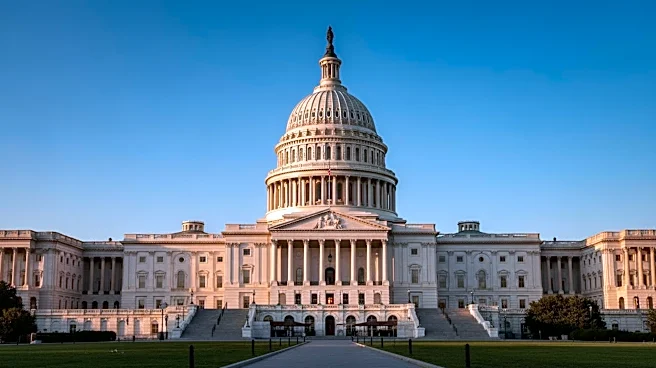
Air Force Major Jason Watson was arrested on the steps of the U.S. Capitol after staging a protest calling for the impeachment of President Donald Trump. Watson, in military uniform, held a sign demanding Trump's removal from office. The protest took
place in a restricted area where demonstrations are prohibited unless accompanied by a member of Congress. Initially, Watson was escorted by Texas Democratic Congressman Al Green, but after Green left, Watson was arrested for violating the demonstration rules. The arrest has sparked support from various advocacy groups and individuals, including Congressman Green and John Bonifaz, president of Free Speech For People, who praised Watson's courage. Watson's protest and subsequent arrest have drawn attention to ongoing calls for Trump's impeachment.
Why It's Important?
The arrest of Major Watson highlights the ongoing political tensions surrounding President Trump's administration and the calls for his impeachment. Watson's actions underscore the deep divisions within the U.S. political landscape, particularly regarding Trump's presidency. The incident also raises questions about the limits of free speech and protest, especially for active-duty military personnel. Watson's protest has garnered support from advocacy groups and some political figures, indicating a broader dissatisfaction with Trump's leadership. This event could influence public opinion and potentially impact future political actions, including impeachment proceedings. It also brings attention to the role of military personnel in political discourse and the potential consequences they face for participating in such activities.
What's Next?
Following Watson's arrest, there may be further discussions and actions regarding the rules governing protests at the Capitol, especially those involving military personnel. The incident could lead to increased scrutiny of President Trump's actions and potentially fuel further impeachment efforts. Advocacy groups supporting Watson may continue to rally public support and organize additional protests. The Air Force may also review Watson's conduct to determine if any military regulations were violated, which could result in administrative or disciplinary actions. The broader political implications of this protest could influence upcoming elections and legislative priorities, particularly concerning presidential accountability and the protection of free speech rights.
Beyond the Headlines
Watson's protest and arrest bring to light the ethical and legal challenges faced by military personnel engaging in political activities. The incident raises questions about the balance between personal convictions and professional duties for service members. It also highlights the potential risks and sacrifices individuals are willing to make to stand up for their beliefs. The broader cultural implications include a growing movement advocating for accountability and transparency in government, as well as the role of military voices in shaping public policy. This event may contribute to a larger conversation about the responsibilities and rights of those in uniform when it comes to political expression.