




What's Happening?
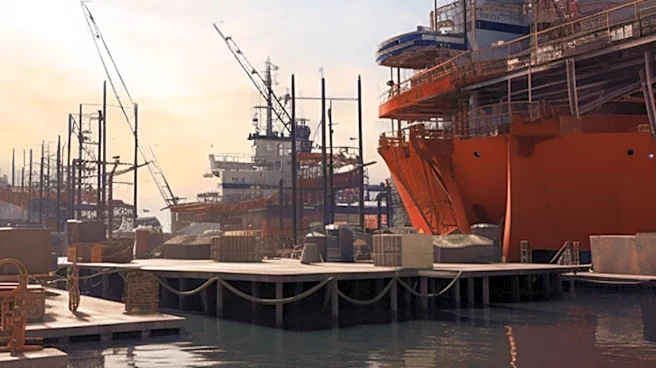
Petro Marine Services is slated to replace Juneau's primary fuel dock, located in the Rock Dump Industrial Area south of downtown, near the cruise ship docks. The project, estimated to cost $15 million or more, is scheduled to begin construction early
next spring with a goal of completion by next summer. Matthew Lindsey, Chief Operating Officer at Petro Marine in Anchorage, stated that the existing dock is over 55 years old and has exceeded its useful lifespan. This facility is crucial for receiving all petroleum products for the city of Juneau, including aviation fuels, automobile gas, construction diesel, and marine diesel. Both Petro Marine and Delta Western utilize this dock to supply Juneau's fuel storage tanks. The reconstruction will involve removing and replacing the piles, dock, float structures, fuel lines, and shoreline retaining wall, as well as installing a new pump control building and storm drains. Much of the work will be conducted using a crane barge.
Why It's Important?
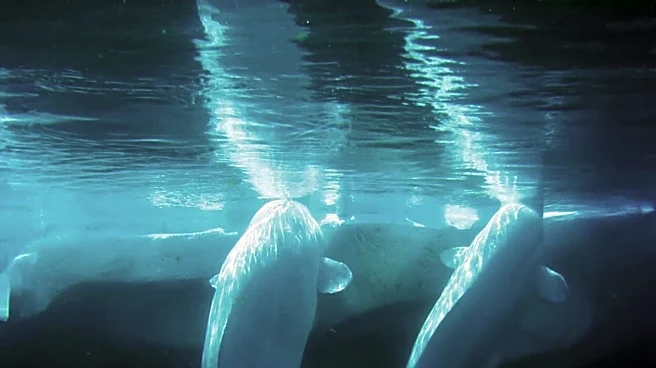
The replacement of Juneau's primary fuel dock is vital for maintaining the city's energy infrastructure and economic stability. As the main point of entry for all petroleum products, its deterioration poses a significant risk to fuel supply for transportation, construction, and daily life in Juneau. A disruption in fuel delivery could have cascading effects on local businesses, residents, and essential services. The estimated $15 million investment underscores the critical nature of this infrastructure. Furthermore, the project's coordination with the city's long-planned Seawalk, which aims to connect all existing cruise ship docks, highlights its importance for future urban development and tourism. The new dock's orientation will facilitate the integration of the Seawalk, potentially enhancing Juneau's appeal as a cruise ship destination and supporting its tourism economy. The project also involves environmental considerations, as Petro Marine has sought authorization from the National Marine Fisheries Service due to potential disturbances to marine mammals during construction, reflecting a commitment to mitigating environmental impact.
What's Next?
Construction on the new fuel dock is planned to commence early next spring, with an anticipated completion by next summer. Petro Marine Services will utilize another dock on Douglas Island, north of the bridge, to minimize disruptions to fuel delivery services during the construction period. This alternative dock can accommodate smaller vessels, ensuring a continuous, albeit potentially limited, supply of fuel to Juneau. The National Marine Fisheries Service has issued a proposal to allow Petro Marine to incidentally harass marine mammals during demolition and construction, primarily due to noise from pile driving. The public comment period for this proposed authorization is open until October 13. The outcome of this authorization will dictate specific environmental mitigation measures during the project. The successful completion of the dock will secure Juneau's fuel supply for decades to come and integrate with the city's broader infrastructure development plans, particularly the Seawalk project.
Beyond the Headlines
The replacement of Juneau's primary fuel dock extends beyond a simple infrastructure upgrade; it represents a proactive approach to maintaining critical urban lifelines in a remote region. The aging infrastructure, common in many U.S. cities, highlights the ongoing need for significant investment in maintenance and modernization to prevent future crises. The project's integration with the Seawalk initiative demonstrates a forward-thinking strategy that combines essential services with urban planning and tourism development, aiming for synergistic benefits. The environmental review process, specifically the request for authorization regarding marine mammal disturbance, underscores the increasing scrutiny and regulatory requirements for large-scale construction projects in ecologically sensitive areas. This reflects a broader societal shift towards balancing economic development with environmental protection, setting a precedent for how future infrastructure projects in coastal regions might be planned and executed. The project also implicitly addresses the logistical challenges of fuel supply in Alaska, where reliance on marine transport makes robust dock infrastructure indispensable.