






What's Happening?
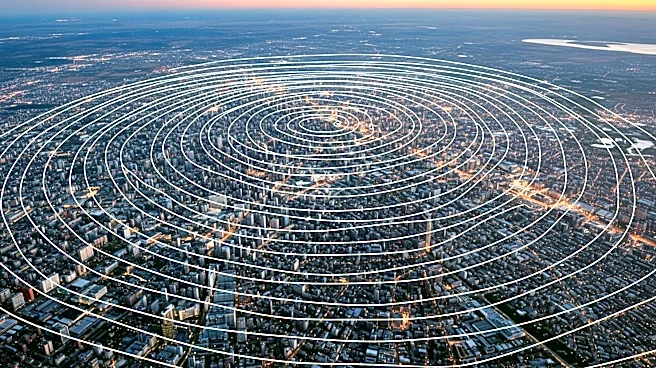
A recent study highlights the growing risk of inundation in New York City due to a combination of sea-level rise, land subsidence, and increasing storm intensity. The city's skyscrapers exert approximately 1.7 trillion pounds of pressure on the island,
causing it to sink by 1 to 2 millimeters annually. This subsidence is exacerbated in areas where heavy buildings sit on soft soil. The study underscores the compounded threat from natural and anthropogenic causes, emphasizing the need for urgent attention to infrastructure and urban planning to mitigate these risks.
Why It's Important?
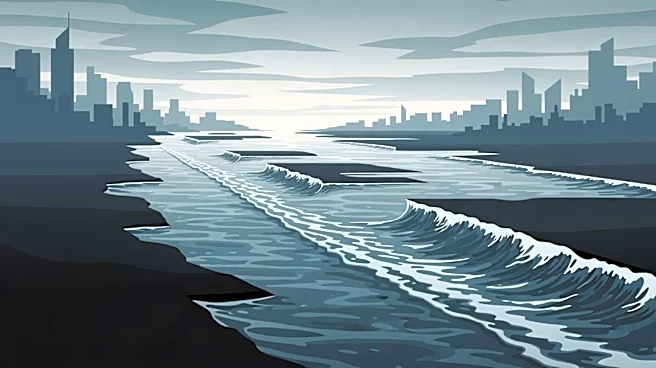
The findings are significant as they highlight the vulnerability of major urban centers like New York City to climate change and geological factors. The combination of rising sea levels and land subsidence could lead to more frequent and severe flooding, impacting millions of residents and critical infrastructure. This situation poses a challenge for city planners and policymakers who must address these issues to protect the city's future. The study serves as a warning for other coastal cities facing similar threats, emphasizing the need for comprehensive strategies to adapt to changing environmental conditions.
What's Next?
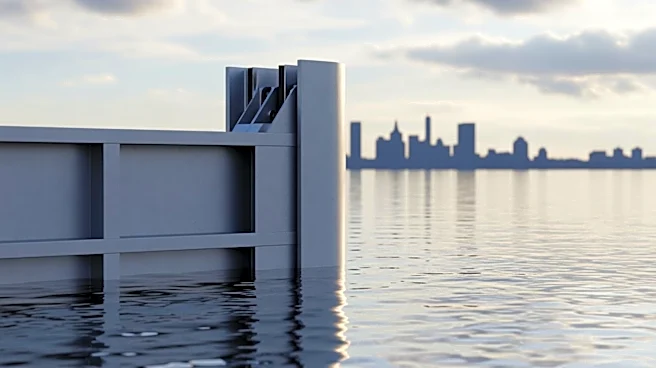
The study suggests that New York City and similar urban areas need to prioritize adaptive measures to address the dual threats of sea-level rise and subsidence. This could involve reinforcing infrastructure, improving drainage systems, and implementing policies to manage building loads on vulnerable soils. Additionally, there may be a need for innovative urban planning solutions that consider long-term environmental changes. Stakeholders, including government agencies, urban planners, and the private sector, will need to collaborate to develop and implement effective strategies to safeguard the city's future.