
What's Happening?
Radical Storage, a luggage storage company, conducted an analysis of over 71,000 Google reviews from late 2024 through November 2025, focusing on 100 major global travel destinations. The study aimed to identify
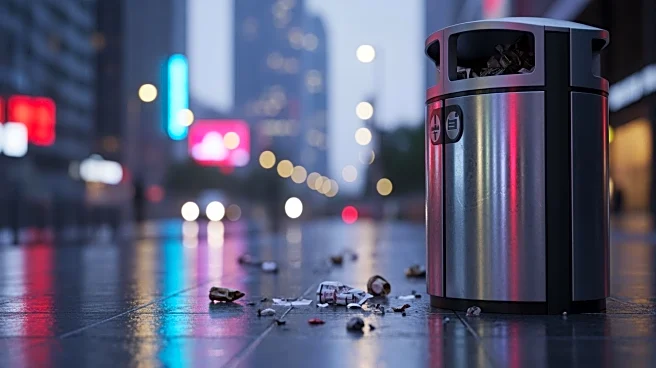
cities frequently described with terms such as 'clean', 'dirty', 'trash', and 'filth'. The findings revealed that even renowned tourist spots struggle with cleanliness when faced with high visitor numbers, as municipal cleaning services often cannot keep pace. Among the cities identified as the dirtiest were Budapest, Rome, and notably, Las Vegas. This revelation highlights the challenges faced by popular tourist destinations in maintaining cleanliness amidst increasing tourist influx.
Why It's Important?
The identification of Las Vegas as one of the dirtiest tourist cities has significant implications for its tourism industry, which is a major economic driver for the city. Cleanliness is a critical factor in tourist satisfaction and can influence a destination's reputation and attractiveness. If not addressed, negative perceptions regarding cleanliness could deter potential visitors, impacting local businesses and the broader economy. Moreover, the findings underscore the need for enhanced urban management strategies to cope with the environmental pressures of mass tourism, ensuring sustainable tourism practices that can support both economic growth and environmental stewardship.
What's Next?
In response to these findings, cities like Las Vegas may need to reassess their waste management and urban cleanliness strategies. This could involve increasing the frequency of cleaning services, investing in more efficient waste management technologies, or implementing public awareness campaigns to encourage responsible tourist behavior. Additionally, local governments might consider collaborating with businesses and community organizations to develop comprehensive plans that address the root causes of urban pollution. Such measures could help improve the city's image and ensure a more pleasant experience for visitors.
Beyond the Headlines
The issue of urban cleanliness in tourist cities also raises broader questions about the sustainability of current tourism models. As cities continue to attract large numbers of visitors, the environmental impact becomes increasingly significant. This situation calls for a reevaluation of how tourism is managed, with a focus on balancing economic benefits with environmental responsibilities. Furthermore, it highlights the potential for innovative solutions, such as smart city technologies, to enhance urban living conditions and support sustainable tourism development.